The Waikato Community Lands Trust began with a straightforward principle: separate the value of land from the value of buildings, then hold that land in perpetuity to provide affordable housing forever.
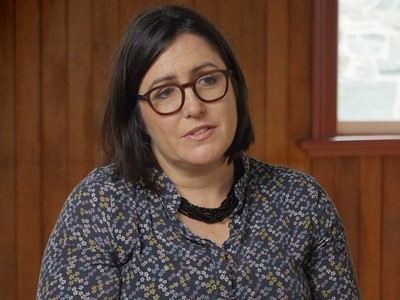
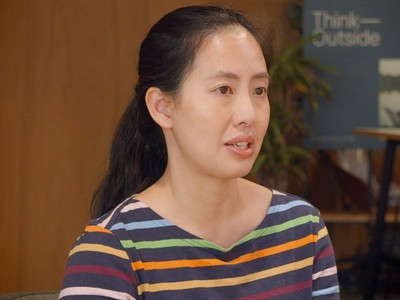
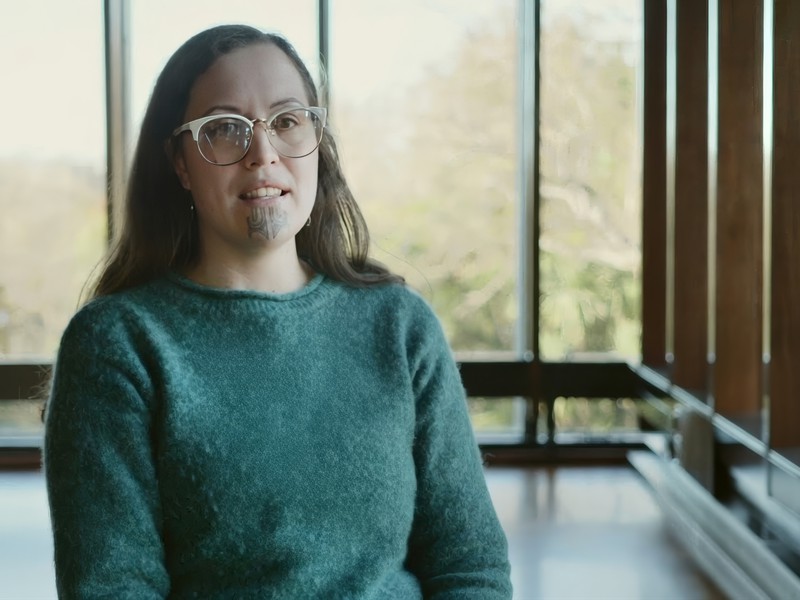
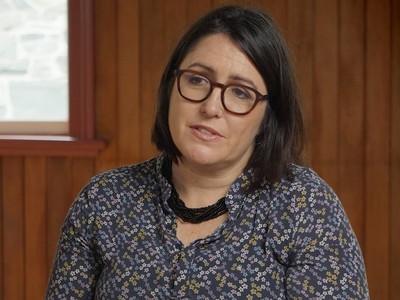
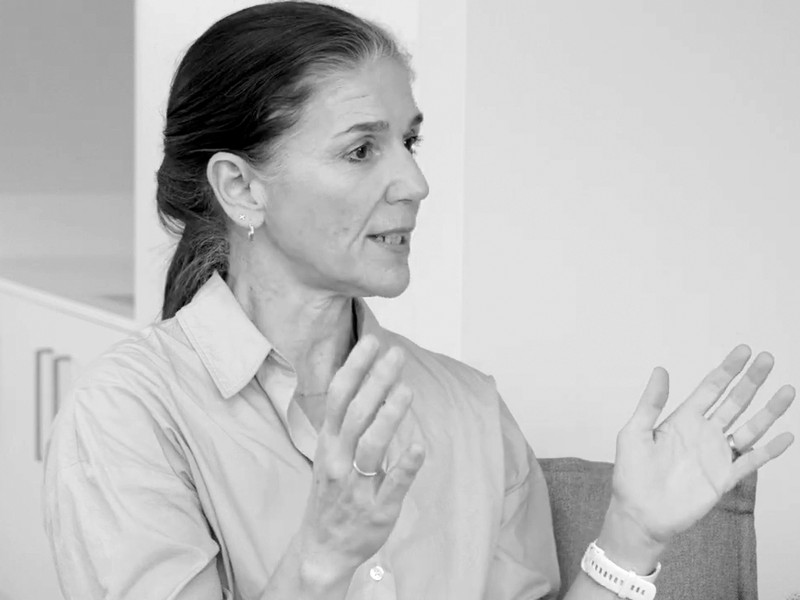
May Low, Co-Chair of the Trust and COO of Kiwi Innovation Network, describes this as the core essence that makes community land trusts work.
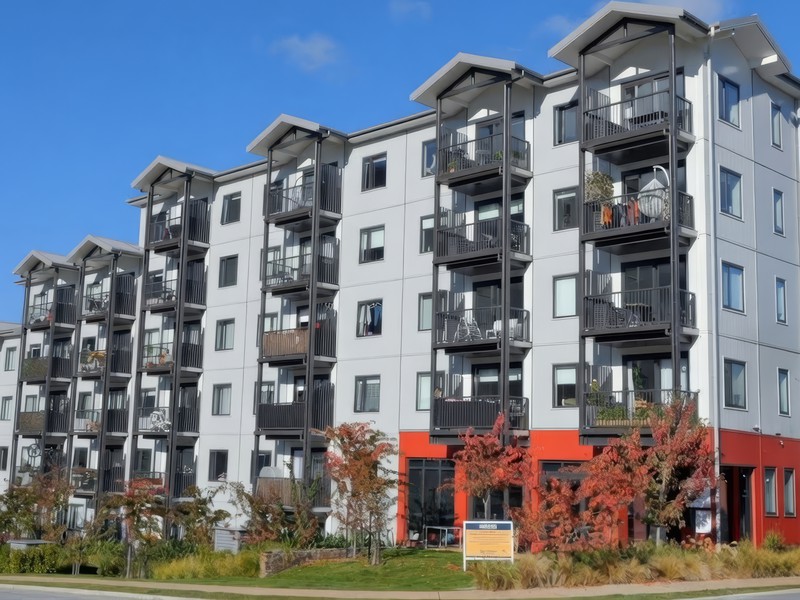
Starting with a two million dollar grant from Hamilton City Council, the Trust purchased its first four units on First Street in Hamilton East. Leveraging that initial investment, they doubled their holdings to eight units — two-bedroom homes with garages in a central location near schools, transport, and employment. "We were able to use that as leverage to purchase the other four of that same development," May explains.
The Trust's current model offers affordable rentals targeting households with lower social housing needs who can sustain tenancies when accommodation is genuinely affordable. Partnering with Habitat for Humanity for tenant screening and property management, the Trust ensures residents understand how to care for their homes whilst exploring pathways to progressive home ownership for successful tenants. "If there were people within those units looking to buy, is there an option for us to then say, you've done an amazing job through the rental scheme, why don't we look at a rent to own model?" She suggests.
However, scaling this model faces significant challenges. "Everyone is wanting to almost build empires with land," she observes. Success requires generous donations or, critically, Inclusionary Zoning policies that mandate affordable housing contributions from development.
The Trust actively advocates for such policy changes, pointing to Queenstown Lakes Community Housing Trust as proof that Inclusionary Zoning can work effectively in New Zealand.
May's innovation background shapes her perspective on housing's foundational importance. "When I moved to New Zealand as a young child, having a stable home is actually your basis of building wealth within your family. That's the first rung on the ladder," she reflects. Constant moving due to unaffordable rent fundamentally changes families' lived experiences and prevents putting down roots.
Yet May identifies a deeper barrier: fragmentation within the housing sector itself. "Everyone is trying to empire build themselves," she argues. "The thing that we need to do is put the ego aside and actually work together constructively."
Her vision involves getting everyone around the table speaking the same conversation, moving things forward significantly rather than incrementally at a snail's pace.
Drawing on her commercial expertise, May emphasises an essential principle: "You don't get nothing of a nothing pie. You get something of a bigger pie, but it's better than nothing of a nothing pie." Collaboration creates value that benefits everyone. The alternative is stagnation that helps no one.
The Trust's current eight units represent a starting point. The real potential lies in scaling through Inclusionary Zoning, collaborative funding models, and sector-wide cooperation that prioritises community benefit over individual empire-building.