Aspen: Learning from a sister city
Why developers became partners, not obstacles

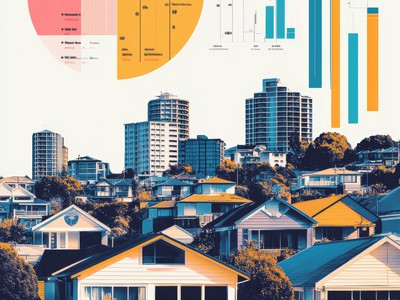
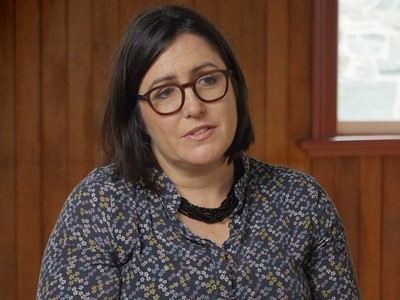
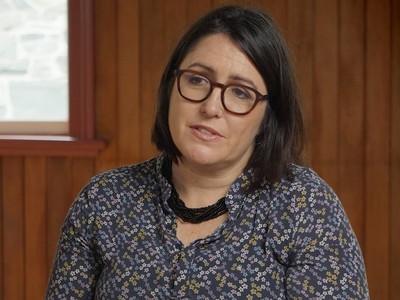
As sister cities sharing scenic beauty and housing crises, Aspen and Queenstown offer parallel lessons in what happens when free-market forces price workers out of resort communities. Sara Ott, Aspen's city manager, describes a community where the average home costs $13 million, yet mixed-income neighbourhoods thrive through decades of Inclusionary Housing experimentation.
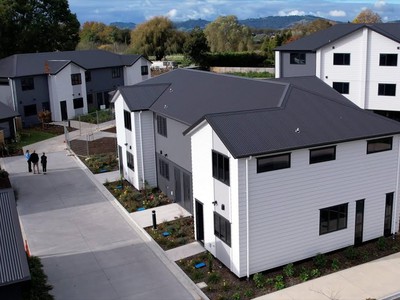
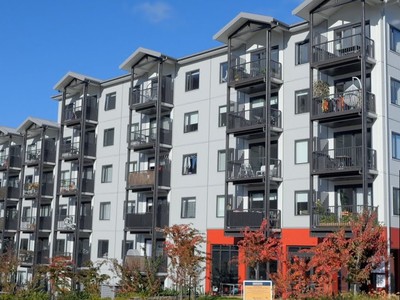
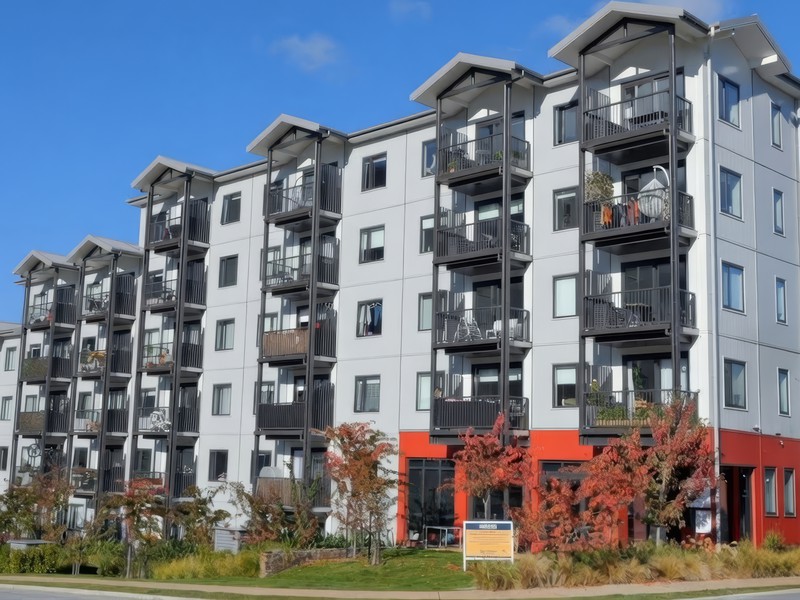
Aspen's approach spans accessory dwelling units, set-aside requirements in new developments, and entire stand-alone affordable communities, with the latter proving most vibrant due to year-round families and stable populations.
The economic case eventually convinced skeptical developers when workforce shortages degraded both construction quality and tourist experiences, aligning profit motives with community needs. Aspen reinforced this with a 10% tax on short-term rentals on top of standard taxes, making property investors "pay back the community for what you're extracting from it."
The crisis reached a breaking point when police couldn't live within 30-40 minutes of town, prompting targeted employee housing that became a game changer for staff retention. Developers transformed from opponents to partners, offering expertise on prefabrication and transit connectivity alongside mandated contributions, helping deliver major projects totaling hundreds of units.