I'll process this content for you with all the requested elements in UK English.
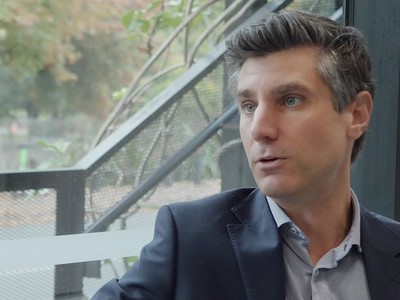
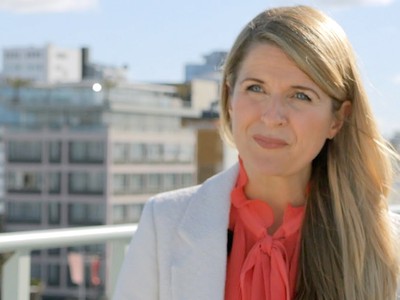
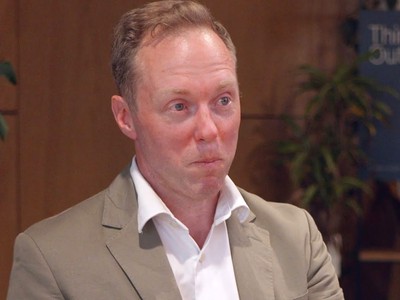
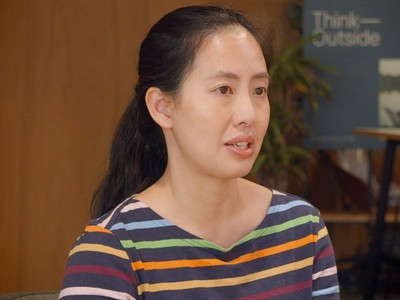
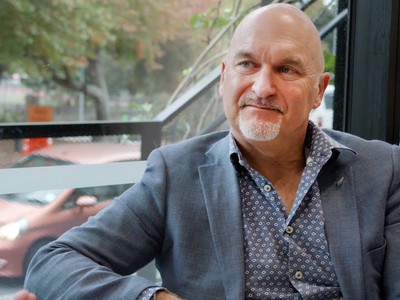
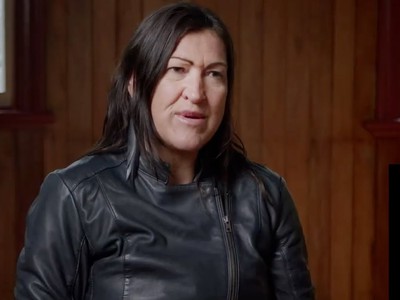
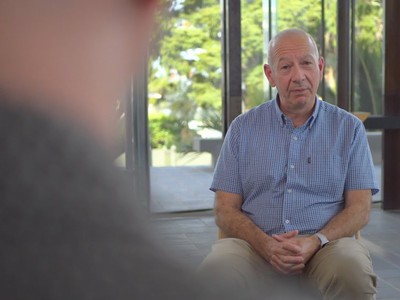
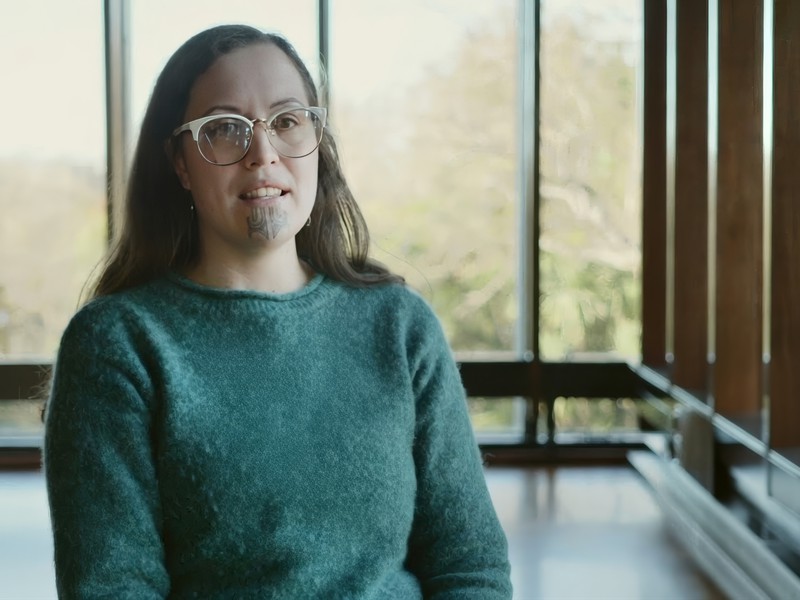
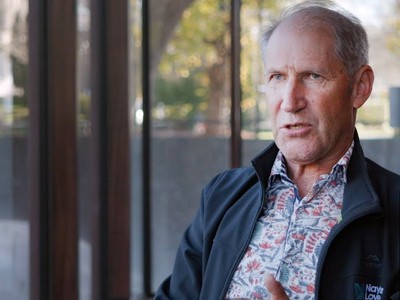
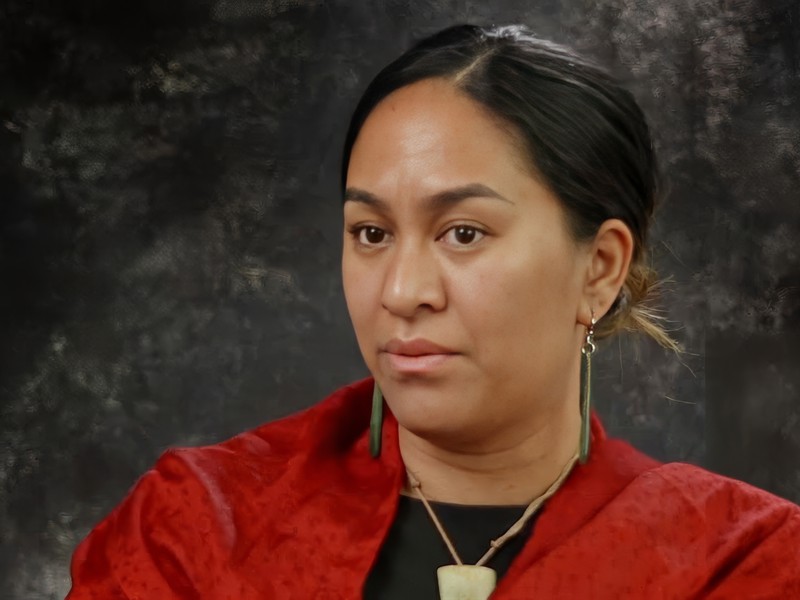
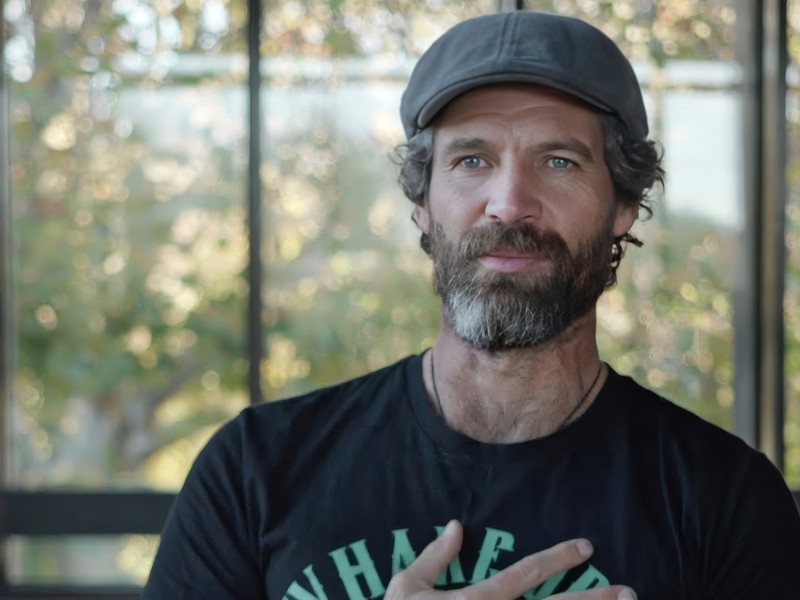
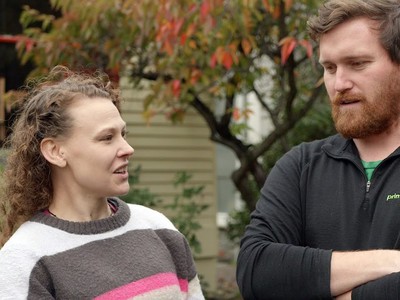
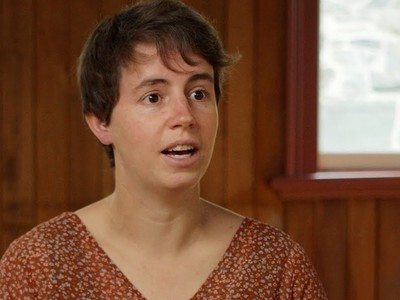
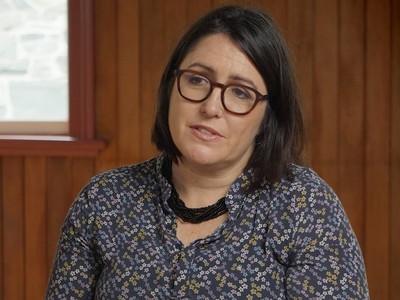
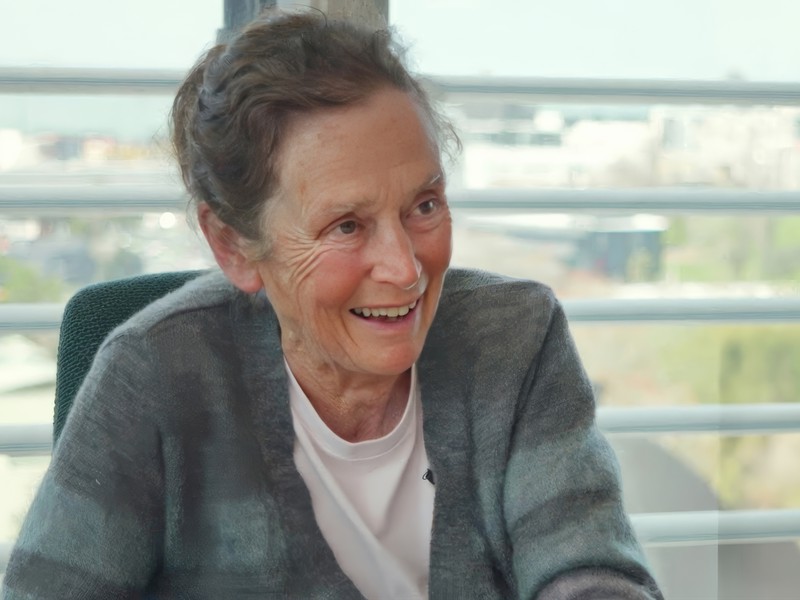
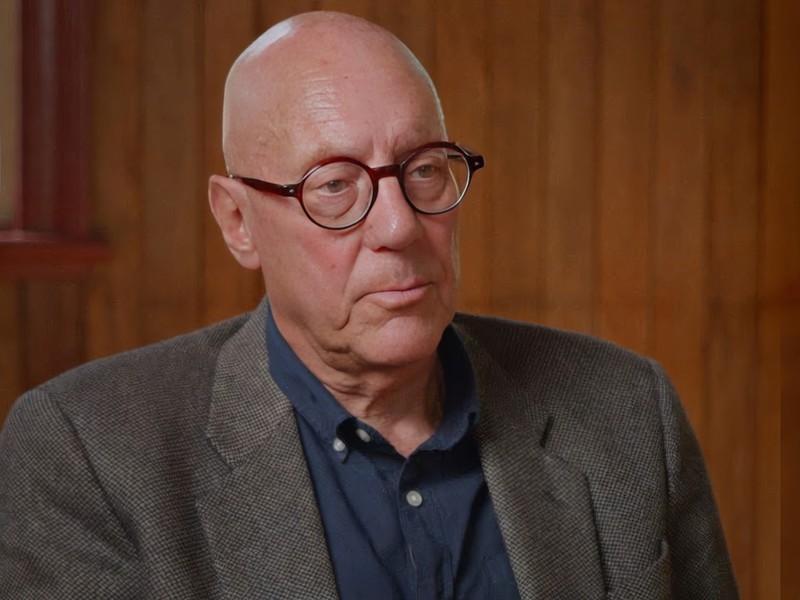
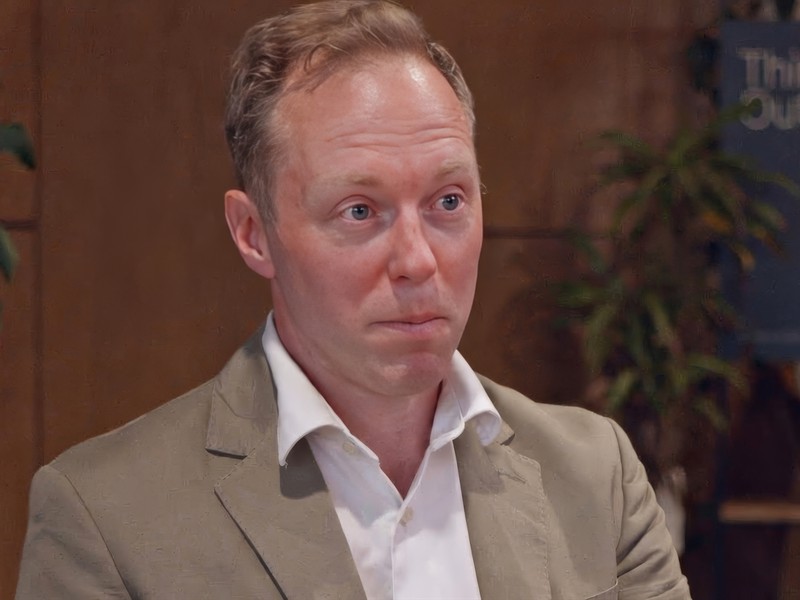
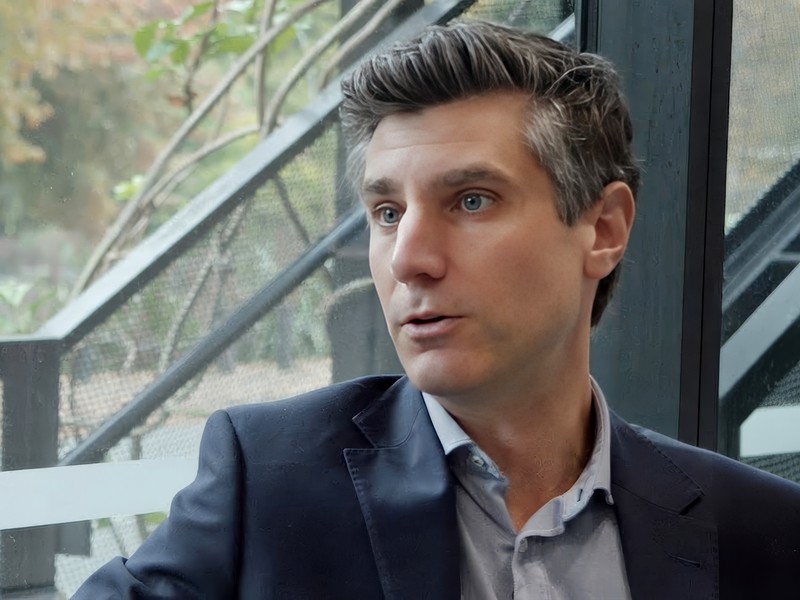
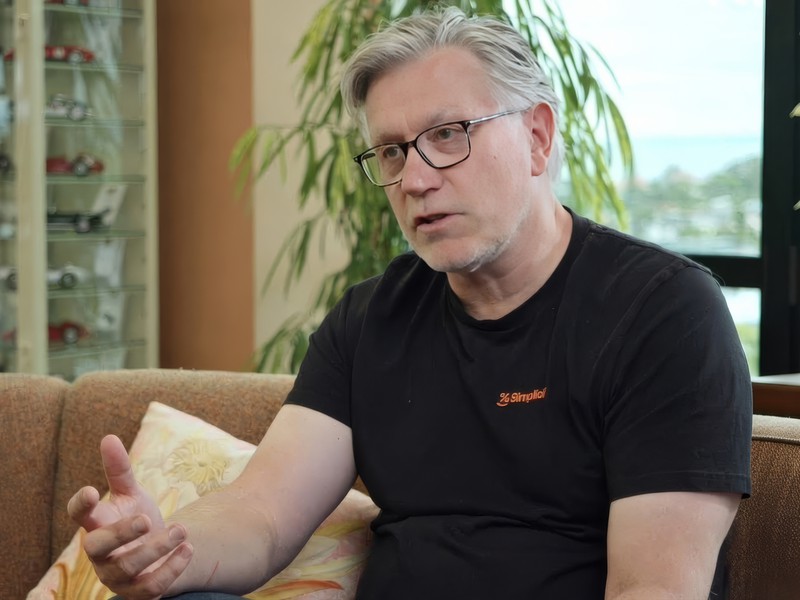
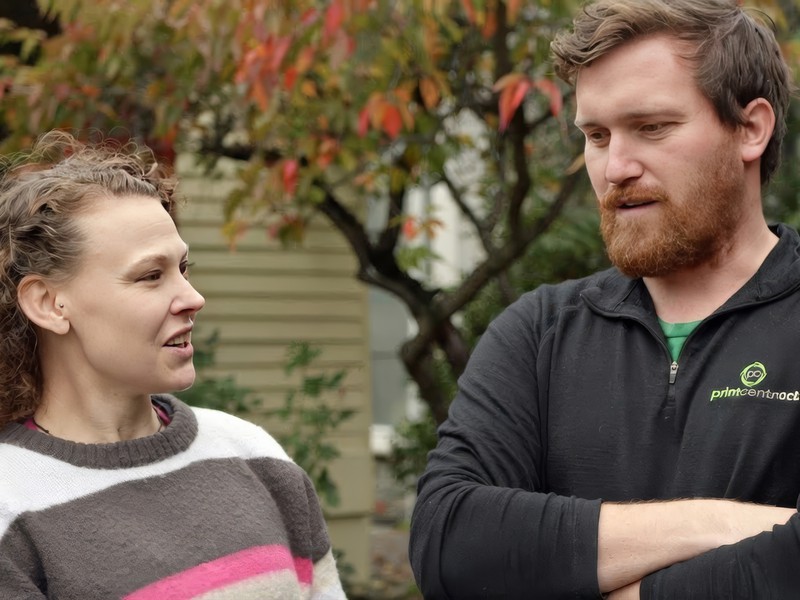
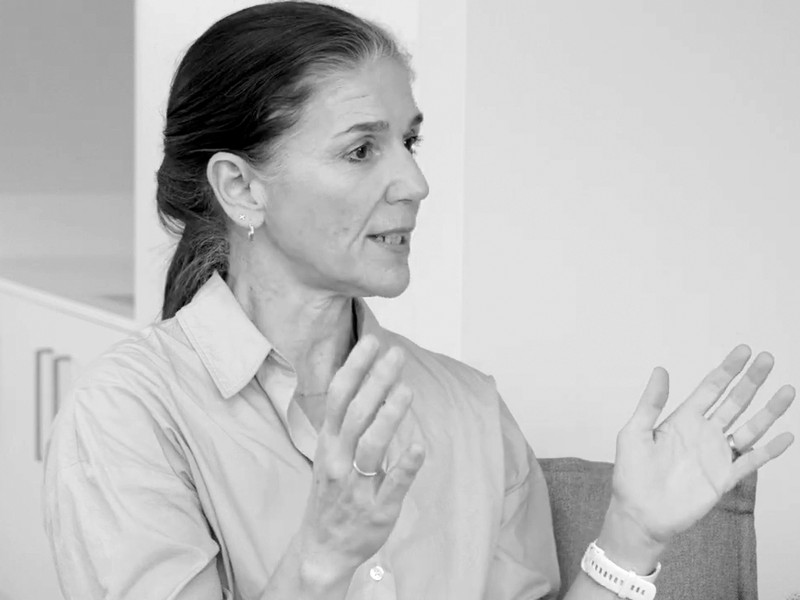
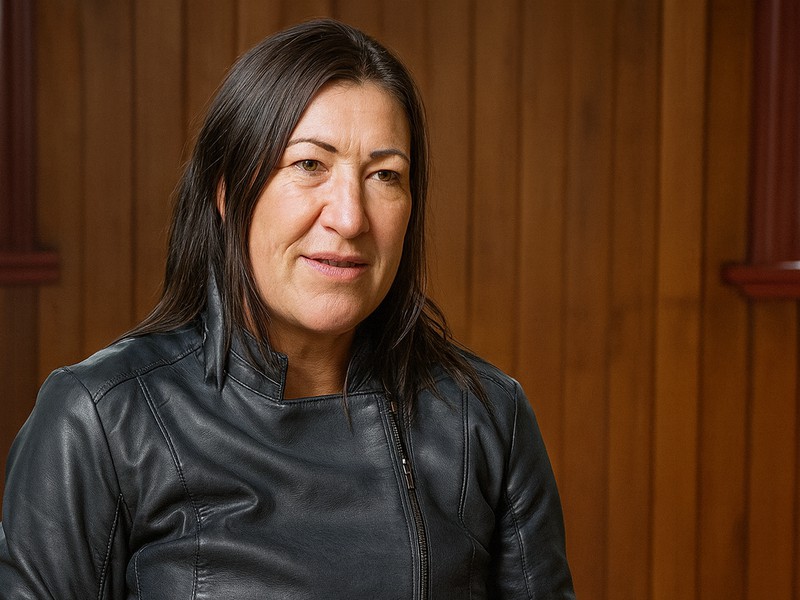
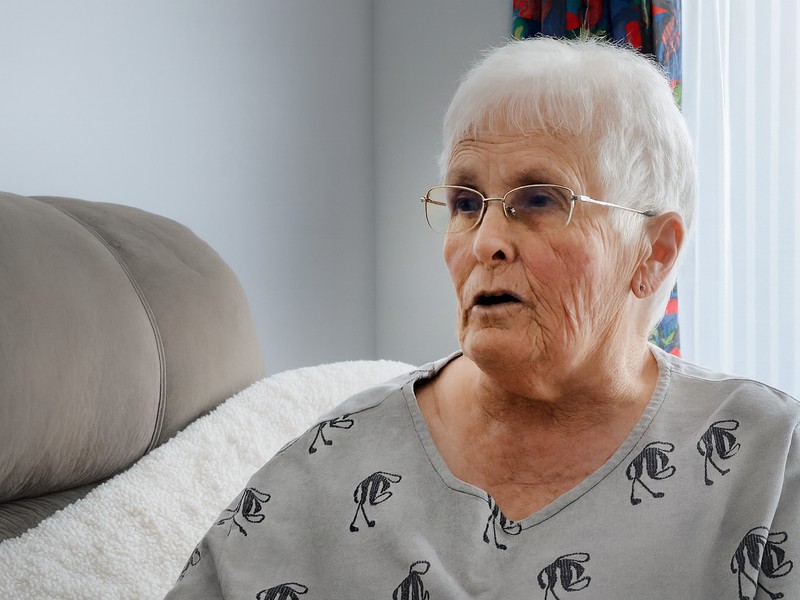
CHA Stories are all about capturing the lived experiences of people on their housing journey. In this story we spoke with Leo and Sean from Queenstown.
"There isn't any housing… or if there is, you can't afford it." That blunt verdict from Leo, a young business-owner, captures Queenstown's reality.
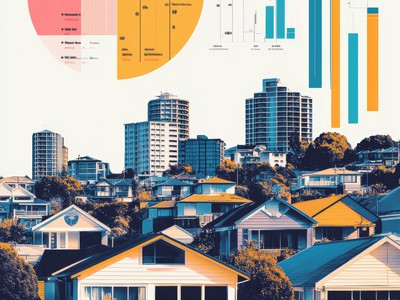
Even modest homes now easily clear the million-dollar mark, with a mean value of roughly $1.6 million. Far beyond the reach of nurses, chefs or retail staff who keep the community running.
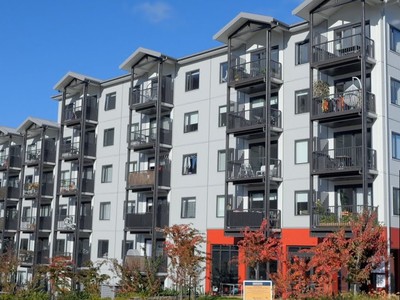
Rents tell the same story. A single-bed flat averages more than $500 a week before power — an impossible burden when wages barely cover groceries and petrol. Couples stretch budgets, while friends cram eight to a house or retreat to campground cabins in winter.
Leo and her partner Sean are "lucky" to occupy a one-bed granny flat above relatives in Arrowtown, yet they know it's a stop-gap. Every week they weigh quitting the district they love, because the next step up the ladder simply doesn't exist. If people with supportive families feel cornered, imagine the plight of migrant workers sleeping in cars, too afraid to reveal their locations for fear of being moved on.
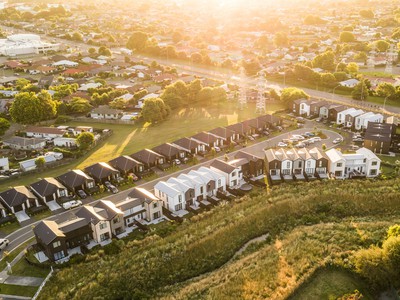
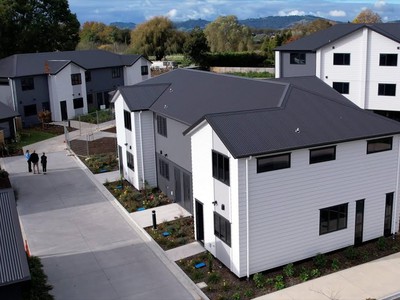
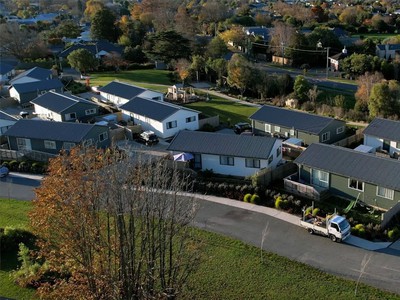
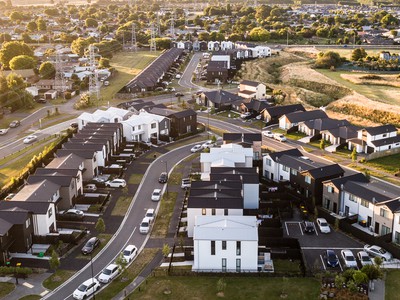
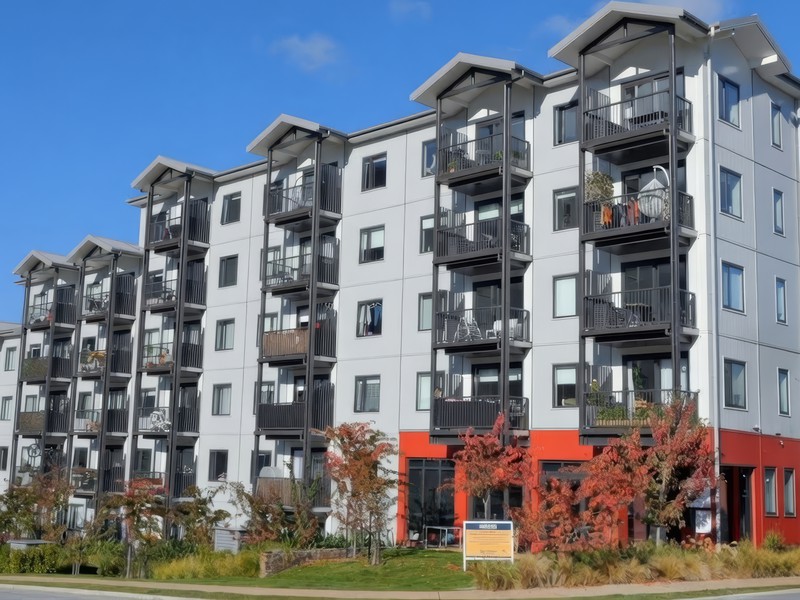
The Queenstown Lakes Community Housing Trust offers some hope via inclusionary zoning homes, but its waiting list is now around 1,400 families — evidence of demand the market refuses to meet. Meanwhile, whole streets sit dark at night.
Holiday houses that function as safety-deposit boxes for absentee owners yield nothing to the community in terms of value or function.
Market purists fall back on the trickle-down orthodoxy of "build enough, and prices will fall." — Leo has a two-word reply — "Doesn't work." Supply has risen for years, and affordability has only worsened. Without policy intervention, Queenstown risks becoming an 'Aspen-by-the-Lake'. Beautiful, exclusive, and hollow.
The fixes are neither radical nor untested. First, support and strengthen inclusionary zoning, to ensure new subdivisions actually house workers. Second, expand shared-equity and rent-to-buy programmes so stable earners can convert rent into ownership. Third, levy meaningful charges on empty homes and land-banked sections, nudging investors to put roofs over people, not profits.
Yes, these measures demand political backbone, but the alternative is economic self-harm. If teachers, police and baristas live two hours away, tourism quality and the town collapses. As Leo warns, "If all the people who can't afford to live here leave, there would be no town."
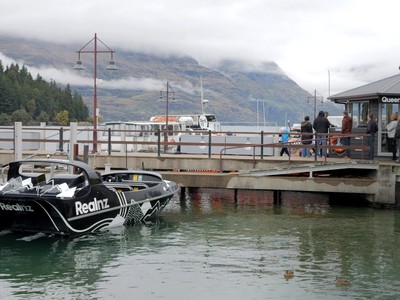
Queenstown markets itself as an 'Adventure Capital'. Now it must tackle its greatest adventure challenge — daring to design and support a housing system that lets key-workers and ordinary people stay, raise families and strengthen communities.
Do that, and the town keeps its soul. Fail, and the lights may keep going out — one empty holiday home at a time.