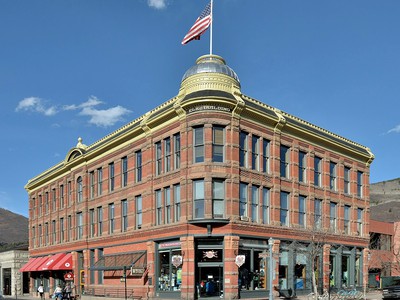
As sister cities, Aspen and Queenstown share more than scenic beauty; they're both wrestling with what happens when free-market real estate prices workers out of resort towns.
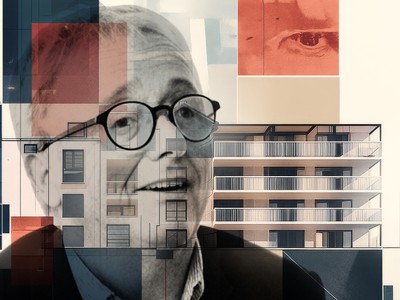
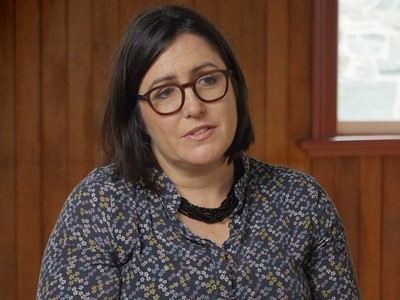
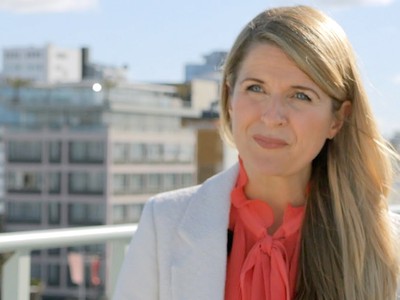
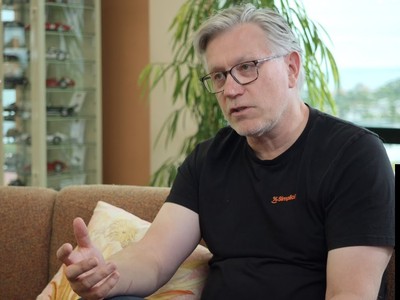
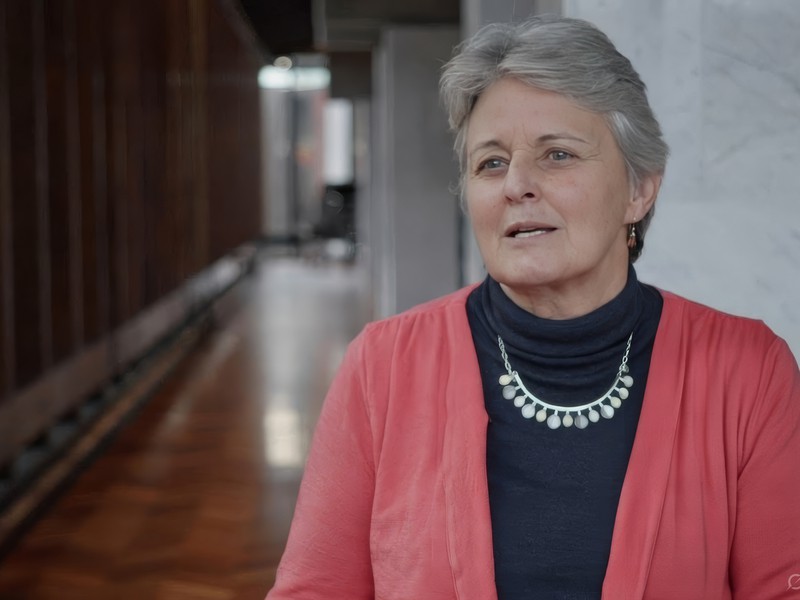
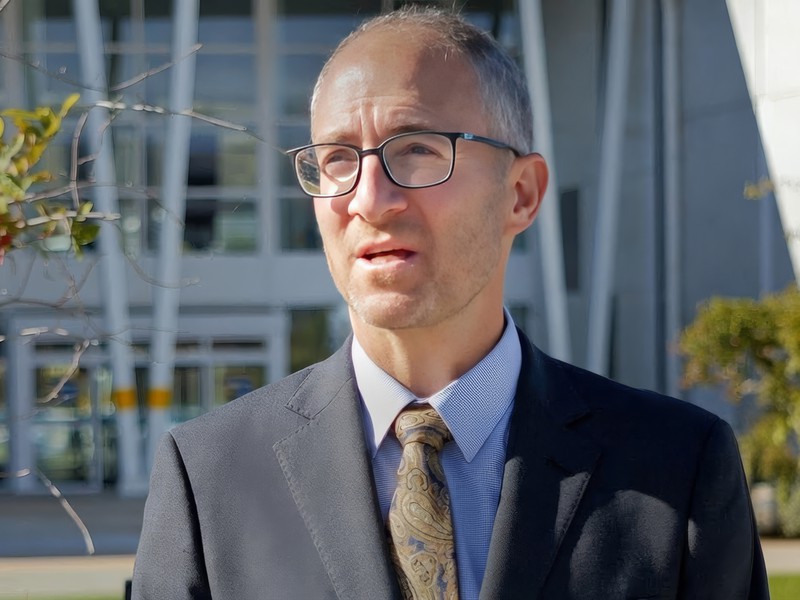
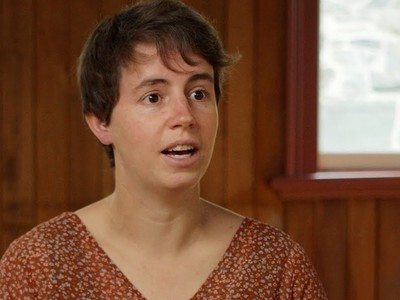
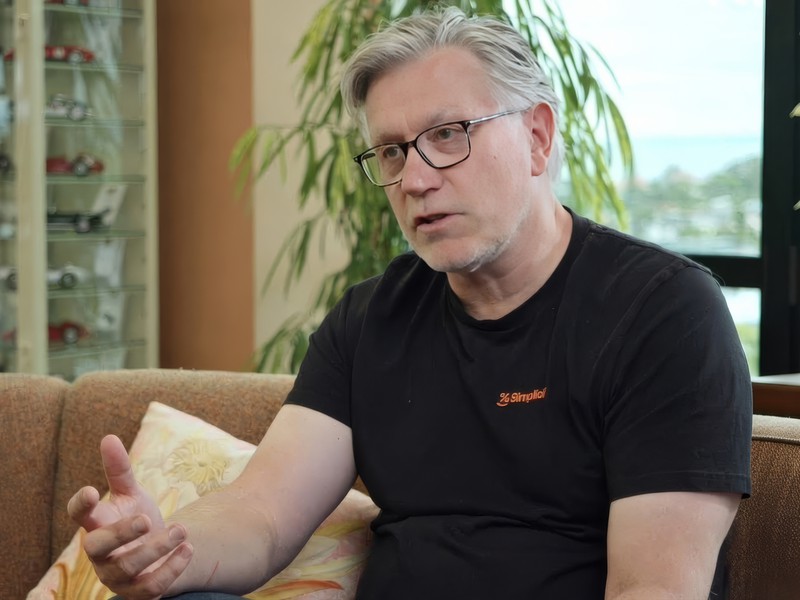
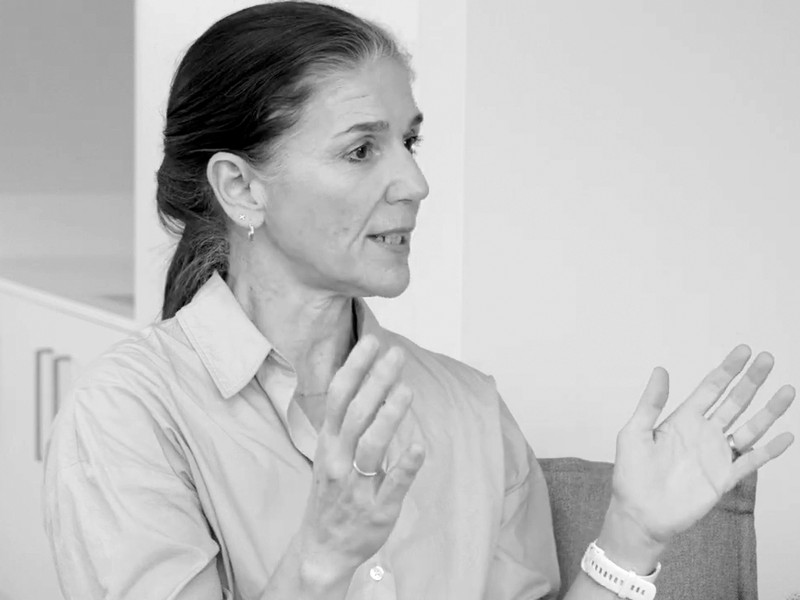
Sara Ott, Aspen's city manager, brings hard-won lessons from a community where the average home costs $13 million, yet mixed-income neighbourhoods thrive.
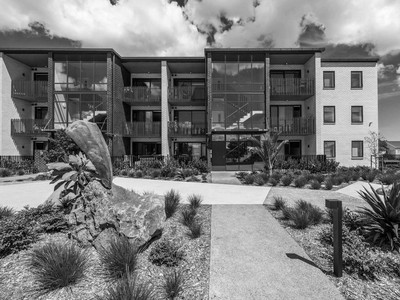
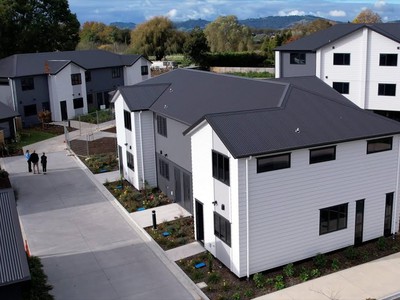
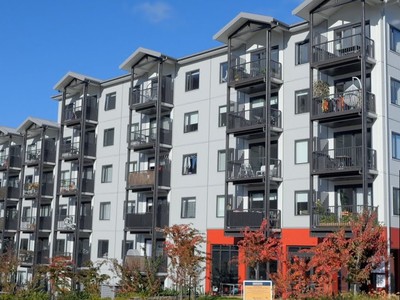
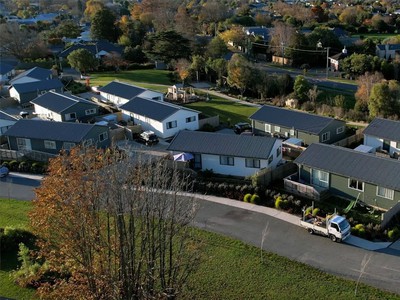
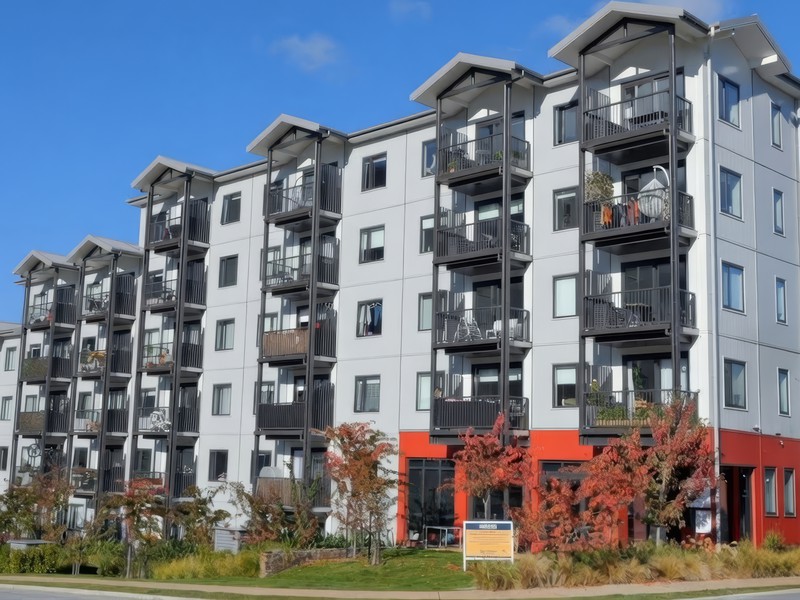
Aspen's journey with Inclusionary Housing spans decades of experimentation: accessory dwelling units attached to large homes, set-aside units in intensified projects, and entire stand-alone communities. The spectrum approach has revealed surprising insights. The neighbourhoods built specifically for affordable housing have become "more vibrant," Sara notes, "because there's a year-round population. There's families there. We have babies getting born all the time."
The economic case eventually convinced sceptical developers. Without workforce housing, construction quality suffered as specialised tradespeople disappeared. Tourist experiences degraded without baristas and service workers. "If those things couldn't happen, overall the quality of the experience and the investment made in the community by the developer isn't going to be as profitable in the end," Sara explains. Economic incentive aligned with community need.
But reaching that alignment required creative pressure. Aspen taxes short-term rentals at 10% on top of normal sales and accommodation taxes, nearly 20% total, explicitly to make property investors "pay back the community for what you're extracting from it." The message: if you're removing housing stock from the local market, you fund the solution.
The crisis became acute when Aspen's police force had no officers living within 30-40 minutes of town. The city responded by building housing specifically for council employees, a 'game changer' for retaining quality staff. The school district now aims to house 100% of employees who want it, recognising that teachers and bus drivers commuting two hours can't build the community connections schools need.
What emerged surprised everyone. Developers began offering expertise alongside mandated contributions, advising on prefabrication techniques and transit connectivity. They became "partners beside us," Sara says, describing how the development community helped deliver 79 units three months ago and is now collaborating on a 270-unit project. Their specialised knowledge complemented what local government lacked.
Her advice to Queenstown developers: "Open your chequebook, bring an amenity to the community that creates inclusion from a social standpoint and contributes to wellbeing." She frames it as brand preservation, without vibrant, liveable communities, developer profits will "diminish over time."