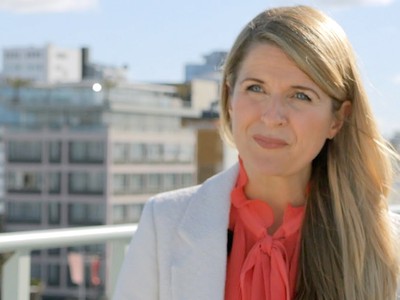
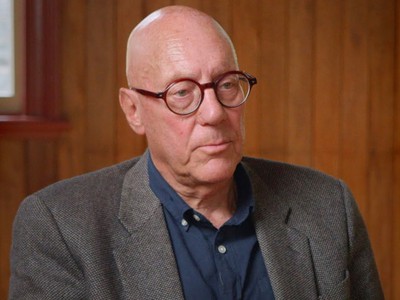
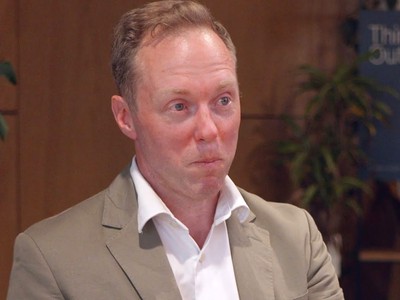
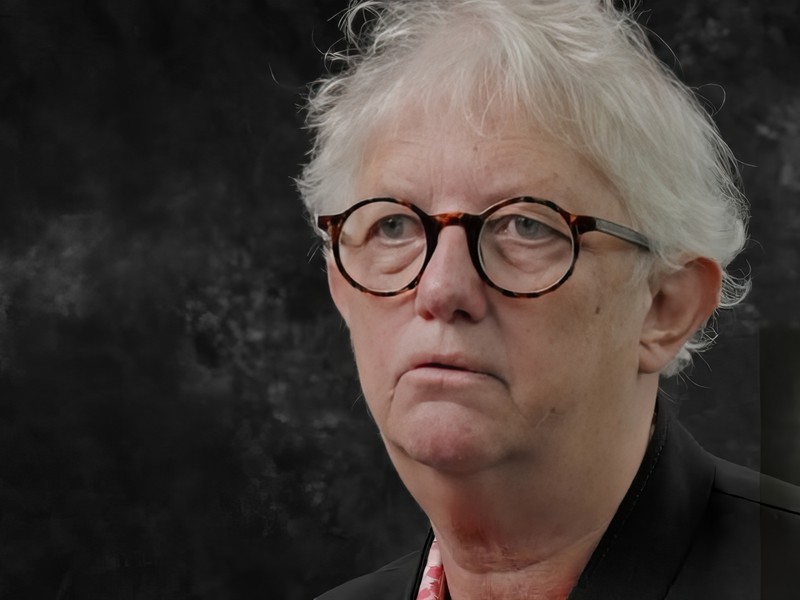
We speak with three planners about Inclusionary Housing, affordable homes and working in partnership
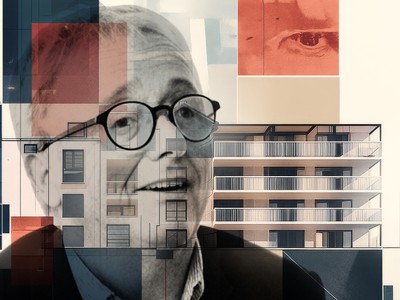
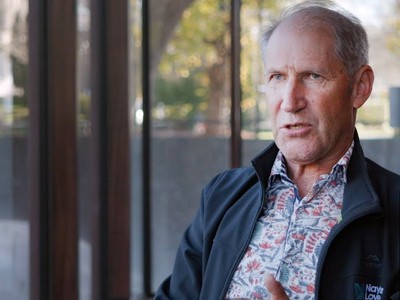
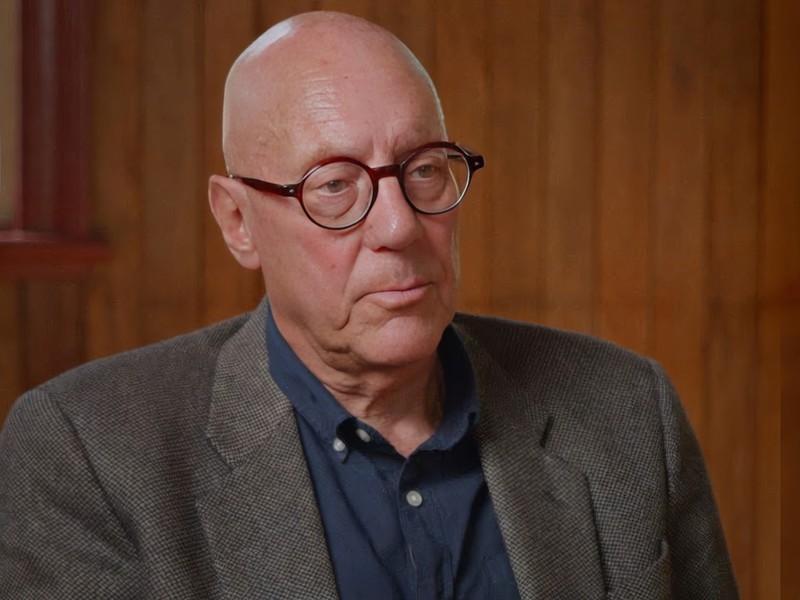
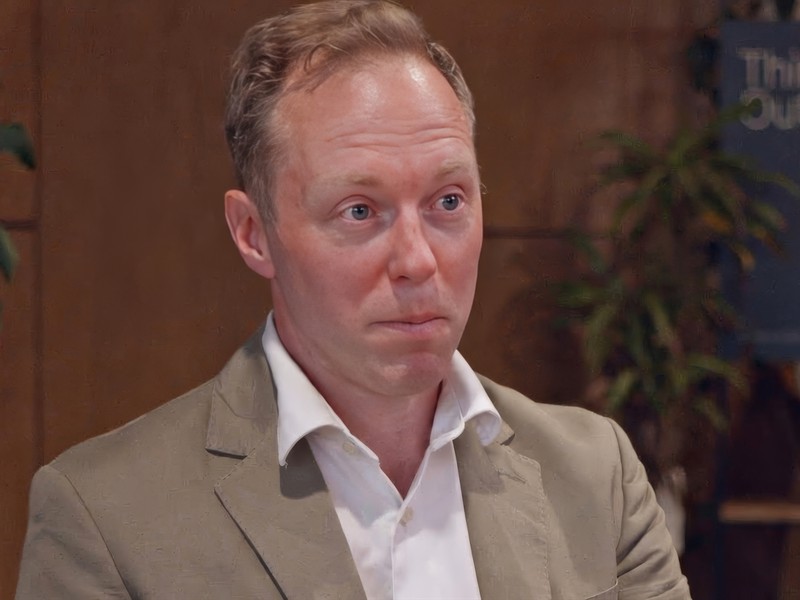
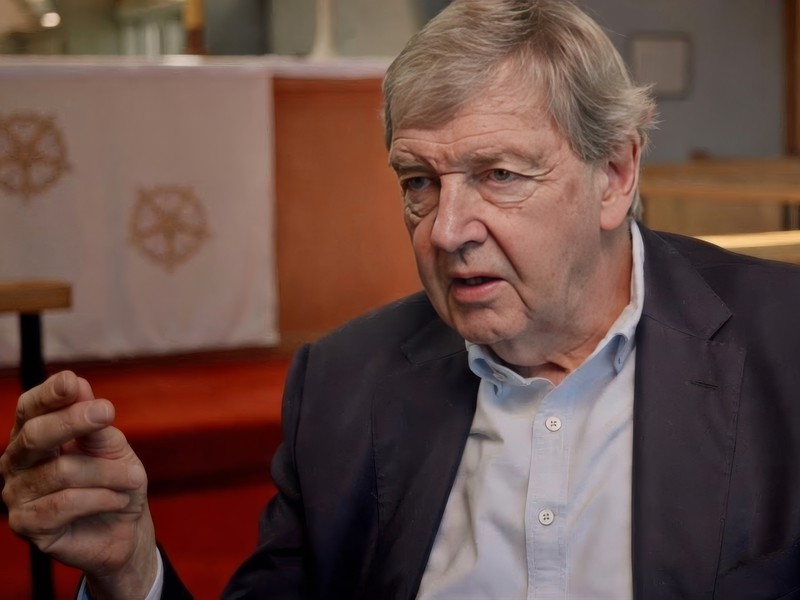
Dr Mark Davey
Breaking the affordability spiral: Hamilton's collaborative path forward
Standing at the intersection of policy and practice in Hamilton, Mark Davey confronts a mathematical inevitability that haunts New Zealand's housing market: household incomes rise roughly 30% each decade, while house prices have consistently outpaced them, widening the gap between aspiration and reality.
As City Planning Manager at Hamilton City Council, Mark has watched this divergence create a systemic problem that no single lever can solve. "We need some sort of circuit breaker, some sort of intervention to change that," he says, rejecting the notion that councils alone hold the solution. "We're part of an ecosystem."
What makes Hamilton distinctive is its commitment to collaboration over confrontation. Through the Future Proof partnership — a 20-year framework bringing together territorial authorities, iwi, and Crown entities — the region has embedded Inclusionary Zoning into district plans for greenfield growth areas. Rather than imposing universal mandates that risk legal challenges, Hamilton has negotiated agreements where developers receive infrastructure support and council backing to urbanise land in exchange for affordable housing outcomes.
"There is genuine give and take," he explains, contrasting this approach with top-down policies that can render developments unfeasible or create perverse incentives. The result: requirements for specific typologies and discounts below median house prices, baked into developments as they come to life.
Yet as RMA reforms promise more codified, uniform approaches, Mark worries about losing precisely what makes Hamilton's approach work: local innovation. "Things like Inclusionary Zoning, as controversial as they may be, are local authorities, local areas, local councils, communities, trying to innovate to find solutions to a problem," he argues. His position is clear: "If we're not trialling and testing that, then we'll never know."
This willingness to experiment becomes crucial as storm clouds gather. Development contributions in some regions are approaching $100,000 per unit — potentially contradicting government efforts to flood markets with supply. In Hamilton's brownfield areas, wastewater constraints now require major investment before further intensification can occur. The model must evolve as multiple greenfield growth cells open simultaneously, with responsibility for enabling infrastructure shifting more heavily toward developers themselves.
Through the Waikato Housing Initiative, Hamilton has created something rare: a room where social housing providers, CHPs, Kāinga Ora, councils, and health authorities sit together with commonly declared goals. "It's actually good for everybody within the ecosystem," he notes, emphasising how housing quality directly impacts health outcomes and community wellbeing.
His prescription is pragmatic: provide market certainty, rethink infrastructure delivery models, and pull every available lever with singular focus. "New Zealand has to front up to how serious is it taking this affordability issue," he concludes.
The bulk of housing will always come from private developers. The question is whether we can create stable conditions that align their interests with community needs through tested innovations like Inclusionary Housing and Zoning, or watch the dream of homeownership drift further from reach while refusing to try solutions that might work.
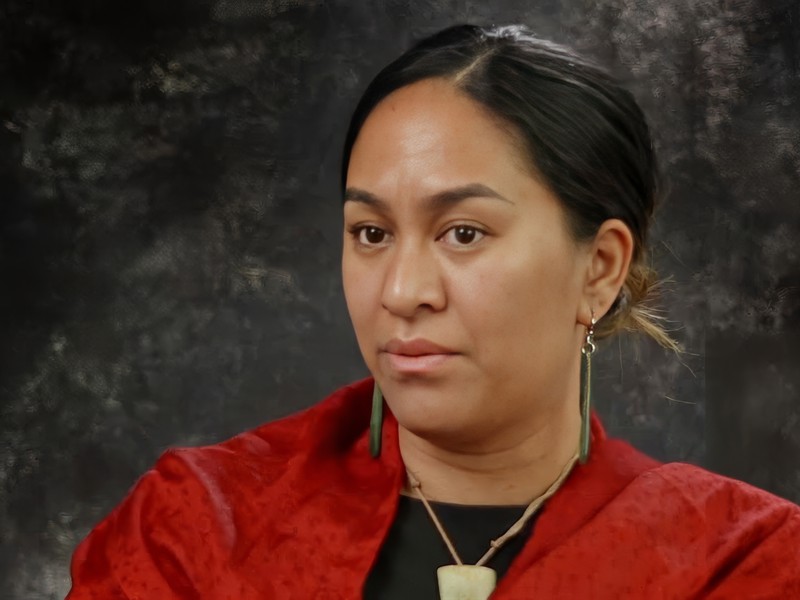
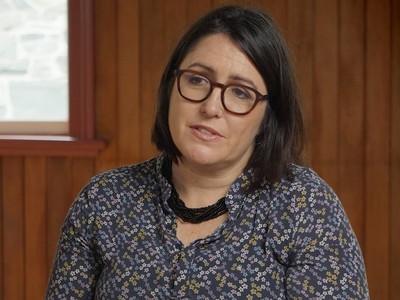
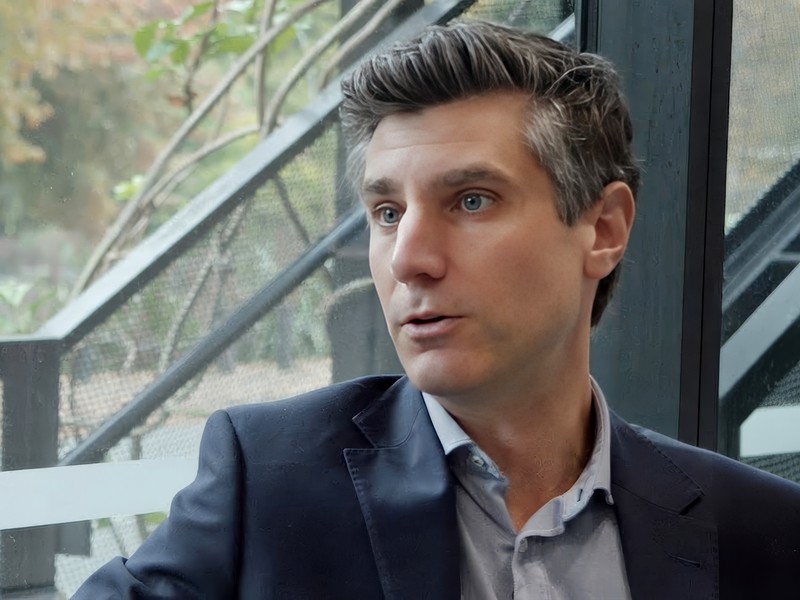
Anita Vanstone
Capturing value for community
How Queenstown uses planning tools to turn development profits into perpetual affordable housing.
In New Zealand's most expensive housing market, Anita Vanstone brings a practical perspective on how local government can intervene when markets fail communities.
As Strategic Growth Manager at Queenstown Lakes District Council working on housing policy, she's helped pioneer an approach where 93% of the Community Housing Trust's capital funding comes from land or financial contributions captured through planning mechanisms.
The model is straightforward but powerful. When rural land is rezoned for development, creating enormous value uplift, council captures a portion for perpetual affordable housing. "Housing is a critical piece of infrastructure to our community," Anita explains, comparing it to requirements for parks, pipes, and roads. "A portion of that should be kept for our community in perpetual affordability."
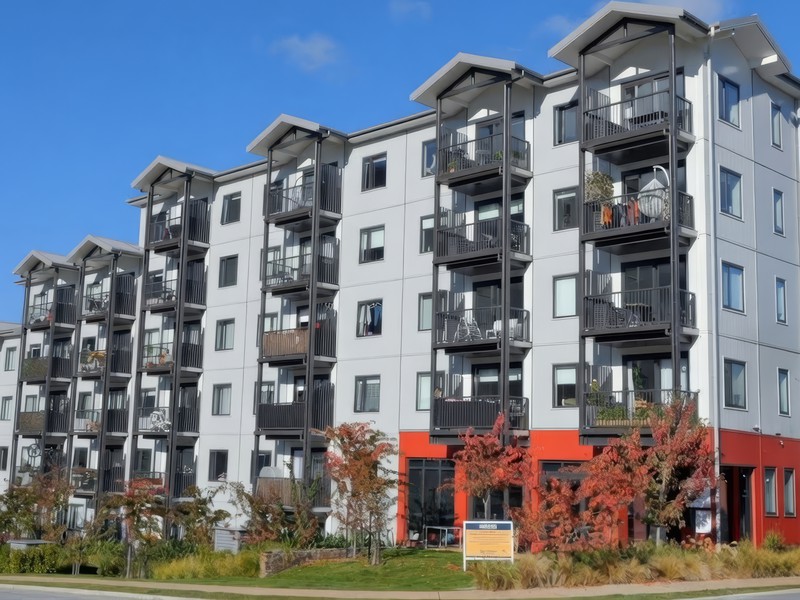
The Tewa Banks development exemplifies this collaboration. Council provided land for one dollar; the trust committed to perpetual affordability; government provided loans and support. The result: 68 homes in Queenstown's most expensive area, including dedicated elderly housing, allowing people who've invested their lives there to remain.
Without such interventions, the numbers are sobering. Queenstown Lakes is 7,000 houses short in the affordable market, meaning one in three new homes should be affordable, yet the market isn't delivering. "If we leave it to the market alone, we will never get the housing demand that's required for our community," Anita states plainly.
The consequences of inaction are already visible. Her own antenatal class has largely dispersed, young families forced to leave when childcare costs collide with housing stress. Schools struggle to recruit teachers. Daycare centres can't retain staff. The social fabric tears as people lose their support networks.
Drawing on her experience working in London 16 years ago, where 50% affordable housing requirements were standard, Anita advocates for national legislation to de-risk and standardise inclusionary approaches. "Having national legislation and clarity would make it so much easier," she says, noting that Queenstown's policy team fields constant requests from councils nationwide facing similar pressures.
She challenges the "I'm alright Jack" mentality among asset owners, asking them to reimagine housing as community infrastructure rather than private wealth generation.
Her vision reframes developers not as victims of taxation but as beneficiaries of community function. The workers housed through inclusionary contributions are "making them coffees, working in restaurants, teaching at their school, working as nurses in hospitals. These are all people that are important to the fabric of our community."
For Anita, Queenstown represents both warning and beacon, a preview of nationwide challenges, but also proof that bold local government action can create lasting change.
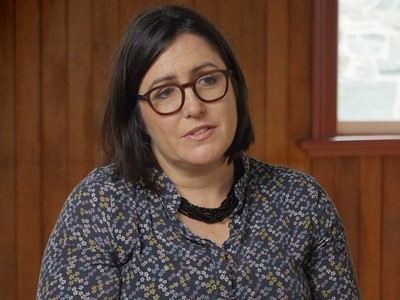
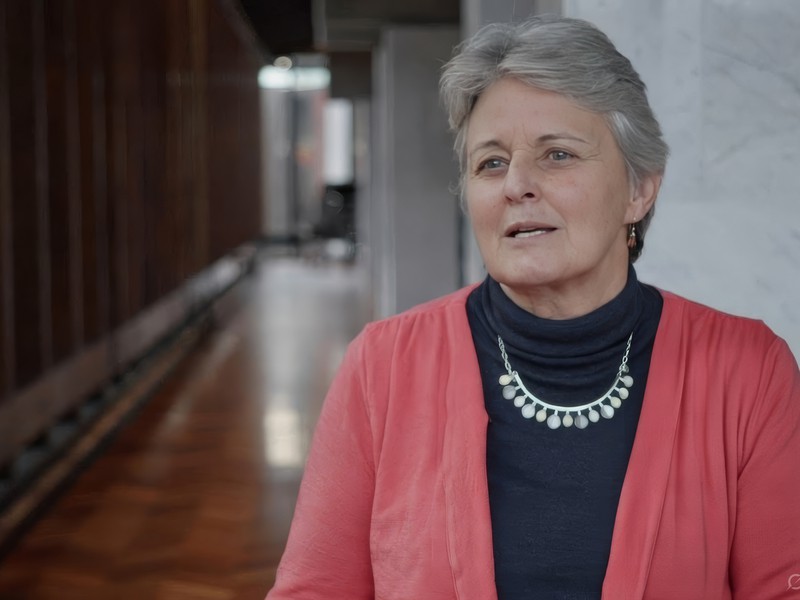
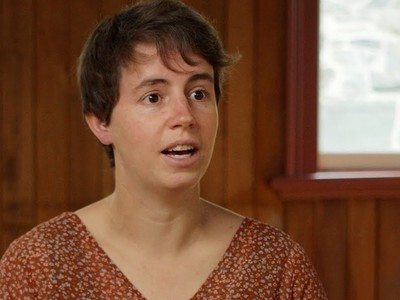
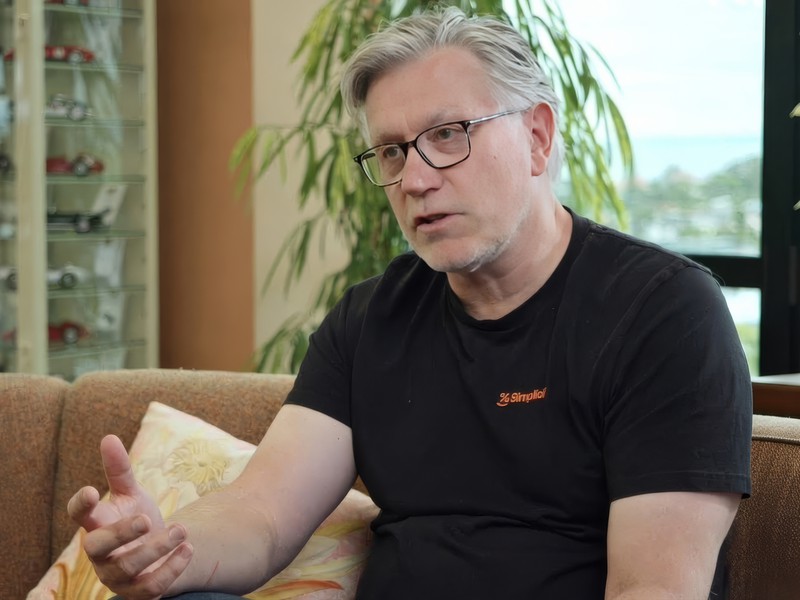
Emily Irvine
Housing as infrastructure
How unregulated markets push average house prices beyond reach of essential workers
Standing in Queenstown, one of New Zealand's most expensive housing markets, Emily Irwin confronts a stark reality: free-market supply alone cannot solve affordability in high-value resort towns.
As Strategic Housing Planner at Queenstown Lakes District Council, she's witnessed firsthand how unregulated markets can push average house prices toward the millions, a trajectory that mirrors Aspen, Colorado, where homes average $13 million.
"We can't just rely on the market," Emily explains. "That's not going to work. We're seeing that it's not working and it's only going to get worse."
Her argument challenges orthodox economic thinking that increased supply automatically delivers affordability. In resort communities where global wealth concentrates, traditional market mechanisms fail to provide homes for the workers who keep these towns functioning. The consequences ripple through every sector. She noted "Teachers leave because they can't find housing." Emily's partner, a high school teacher, sees massive staff turnover. Local businesses face an estimated $200 million in extra costs from workforce turnover. Nurses become scarce. Social connections fracture as friends must leave town. "It affects everybody else who might have a secure home," she notes.
At the heart of the crisis lies a cultural question: are houses for living in, or for building wealth?
For two-thirds of New Zealanders who own homes, this question cuts deep. "It's very challenging in New Zealand because we've just got this cultural background of investing in housing as our main asset," she notes. This fixation has redirected economic energy away from productive businesses and toward property speculation. Inclusionary Housing mechanisms offer an alternative pathway.
By capturing land from new developments for perpetual affordable housing, the approach distributes workforce accommodation across diverse neighbourhoods rather than concentrating it in distant, cheaper areas. "We're not going to have a ghetto," she emphasises, contrasting this with purely financial approaches that risk creating isolated affordable housing zones. But technical solutions aren't enough.
Emily believes shifting the public conversation, expanding what's politically acceptable, is crucial for enabling bold policy action. "We need everybody to be on board with that to enable us to do that politically," she says, invoking the concept of the Overton window.
Her message to wealthy residents and developers is direct: everyone can contribute, whether through philanthropy or simply supporting conversations about housing as community infrastructure rather than investment assets.
The alternative, a Queenstown where only millionaires can afford homes, would destroy the community's ability to function. "Housing is a critical piece of infrastructure really for communities." Emily concludes. "It enables communities to work." In her view, recognising this fundamental truth represents the first step toward building housing systems that serve people rather than portfolios.