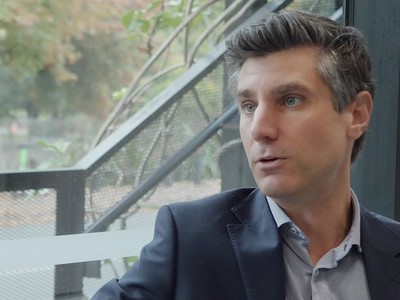
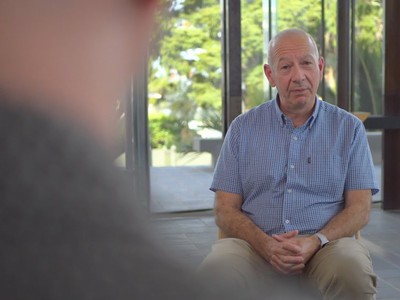
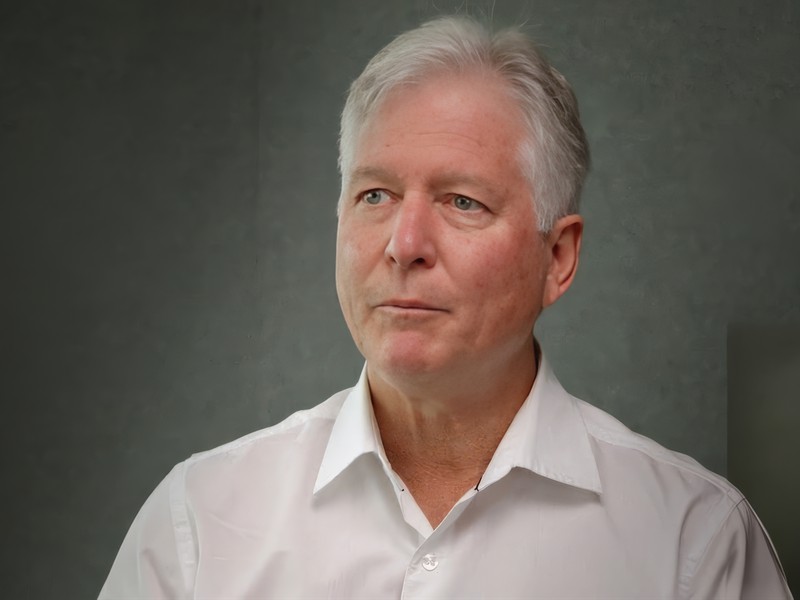
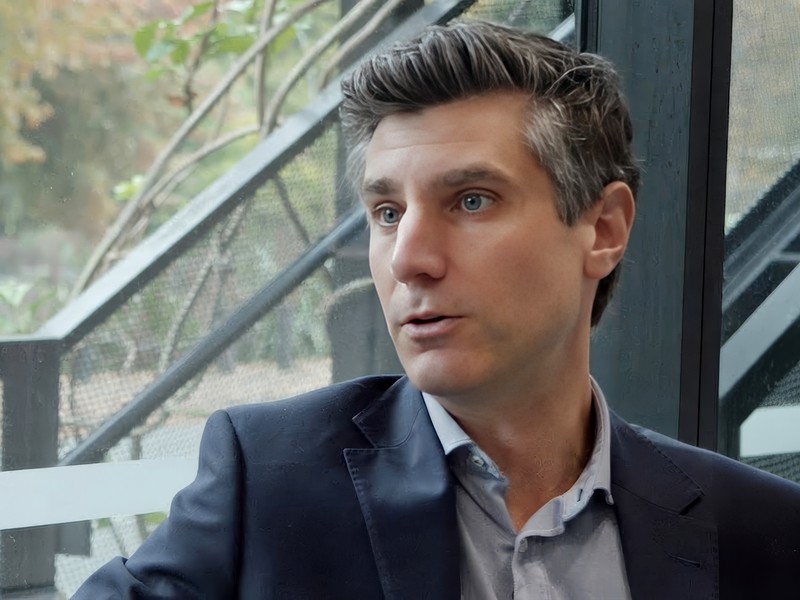
Standing at the intersection of policy and practice in Hamilton, Mark Davey confronts a mathematical inevitability that haunts New Zealand's housing market: household incomes rise roughly 30% each decade, while house prices have consistently outpaced them, widening the gap between aspiration and reality.
As City Planning Manager at Hamilton City Council, Mark has watched this divergence create a systemic problem that no single lever can solve. "We need some sort of circuit breaker, some sort of intervention to change that," he says, rejecting the notion that councils alone hold the solution. "We're part of an ecosystem."
What makes Hamilton distinctive is its commitment to collaboration over confrontation. Through the Future Proof partnership — a 20-year framework bringing together territorial authorities, iwi, and Crown entities — the region has embedded Inclusionary Zoning into district plans for greenfield growth areas. Rather than imposing universal mandates that risk legal challenges, Hamilton has negotiated agreements where developers receive infrastructure support and council backing to urbanise land in exchange for affordable housing outcomes.
"There is genuine give and take," he explains, contrasting this approach with top-down policies that can render developments unfeasible or create perverse incentives. The result: requirements for specific typologies and discounts below median house prices, baked into developments as they come to life.
Yet as RMA reforms promise more codified, uniform approaches, Mark worries about losing precisely what makes Hamilton's approach work: local innovation. "Things like Inclusionary Zoning, as controversial as they may be, are local authorities, local areas, local councils, communities, trying to innovate to find solutions to a problem," he argues. His position is clear: "If we're not trialling and testing that, then we'll never know."
This willingness to experiment becomes crucial as storm clouds gather. Development contributions in some regions are approaching $100,000 per unit — potentially contradicting government efforts to flood markets with supply. In Hamilton's brownfield areas, wastewater constraints now require major investment before further intensification can occur. The model must evolve as multiple greenfield growth cells open simultaneously, with responsibility for enabling infrastructure shifting more heavily toward developers themselves.
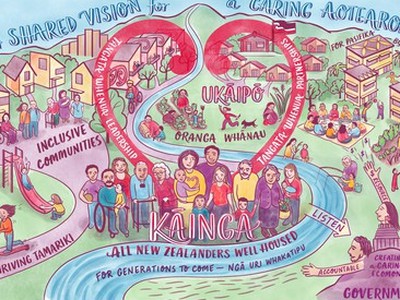
Through the Waikato Housing Initiative, Hamilton has created something rare: a room where social housing providers, CHPs, Kāinga Ora, councils, and health authorities sit together with commonly declared goals. "It's actually good for everybody within the ecosystem," he notes, emphasising how housing quality directly impacts health outcomes and community wellbeing.
His prescription is pragmatic: provide market certainty, rethink infrastructure delivery models, and pull every available lever with singular focus. "New Zealand has to front up to how serious is it taking this affordability issue," he concludes.
The bulk of housing will always come from private developers. The question is whether we can create stable conditions that align their interests with community needs through tested innovations like Inclusionary Housing and Zoning, or watch the dream of homeownership drift further from reach while refusing to try solutions that might work