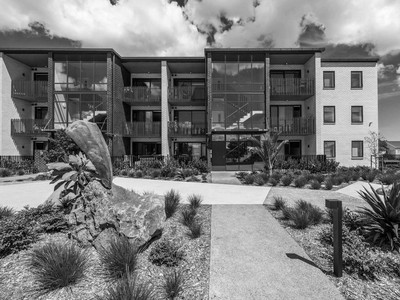
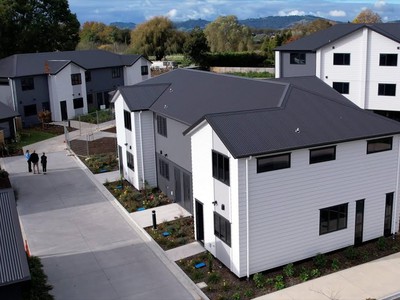
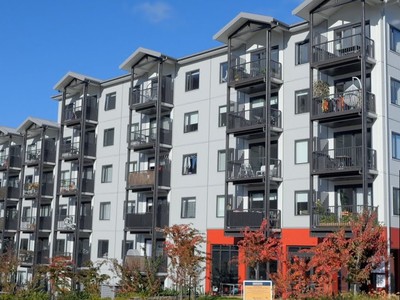
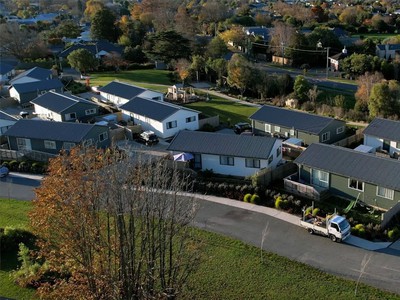
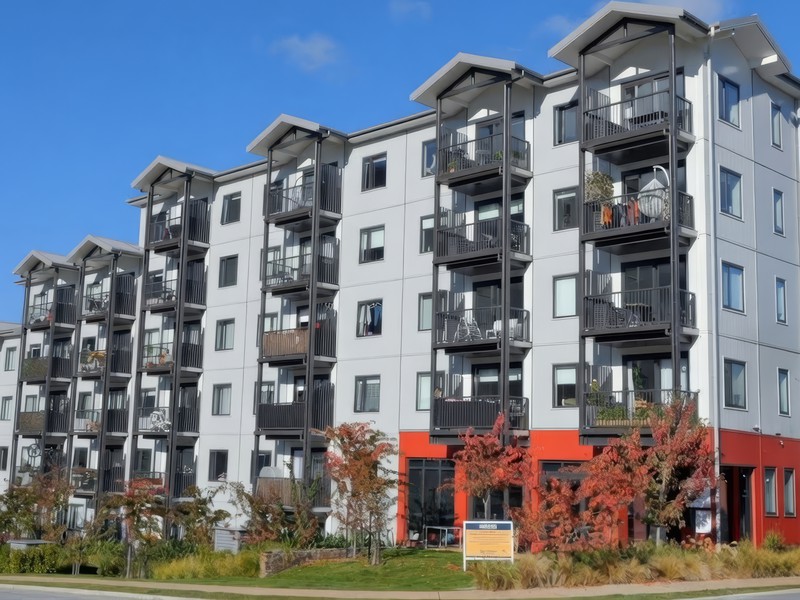
Karamū represents an innovative approach to affordable housing delivery in New Zealand. Developed by Kāinga Maha in Christchurch, this 84-home project demonstrates how private development can successfully integrate social housing without government mandate.
The voluntary Inclusionary Zoning model
The project's most significant innovation is its voluntary Inclusionary Zoning approach. While a typical developer would build and sell all 84 homes on the open market, Karamū deliberately allocated approximately 30% (28 homes) for social housing. These units are managed by Community Housing Providers including Home Foundation, Emerge Aotearoa, and Christchurch Methodist Mission. This cross-subsidy model uses revenue from market-rate homes to offset the cost of affordable units, eliminating the need for substantial capital subsidies.
Tenure-blind design philosophy
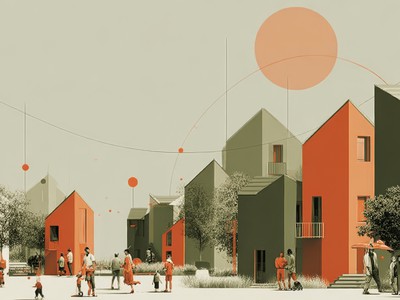
A core principle at Karamū is 'tenure-blind' design — ensuring no visual distinction between social housing, first-home buyer, and private sale units.
This approach fosters social cohesion and breaks down segregation, allowing neighbours to build community naturally regardless of their housing tenure. The project's 84 homes include 28 social housing units (33%), approximately 30% first-home buyer units priced 30-34% below the area median, and the remainder as market sales.
Critical success factors
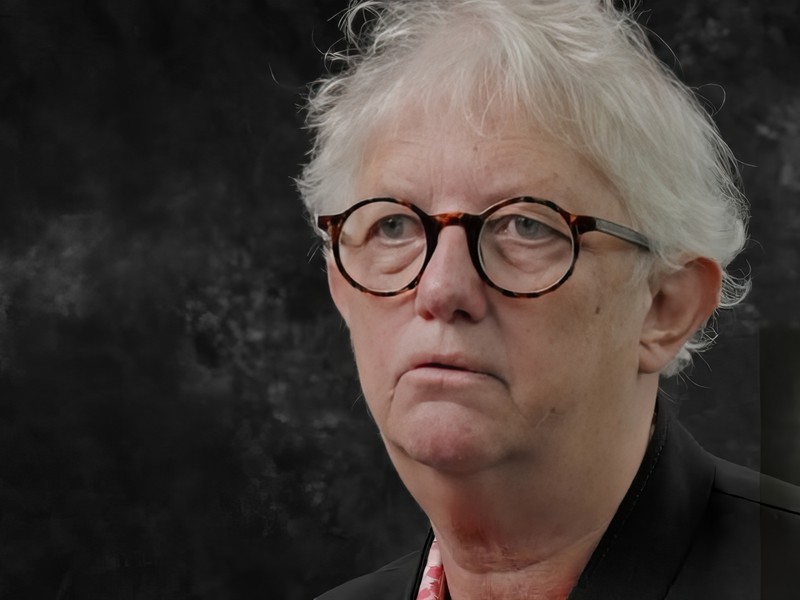
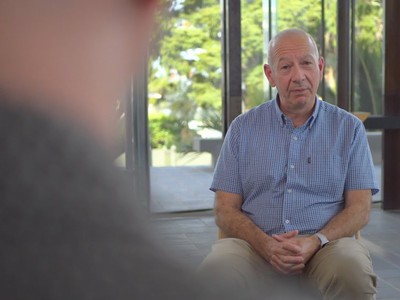
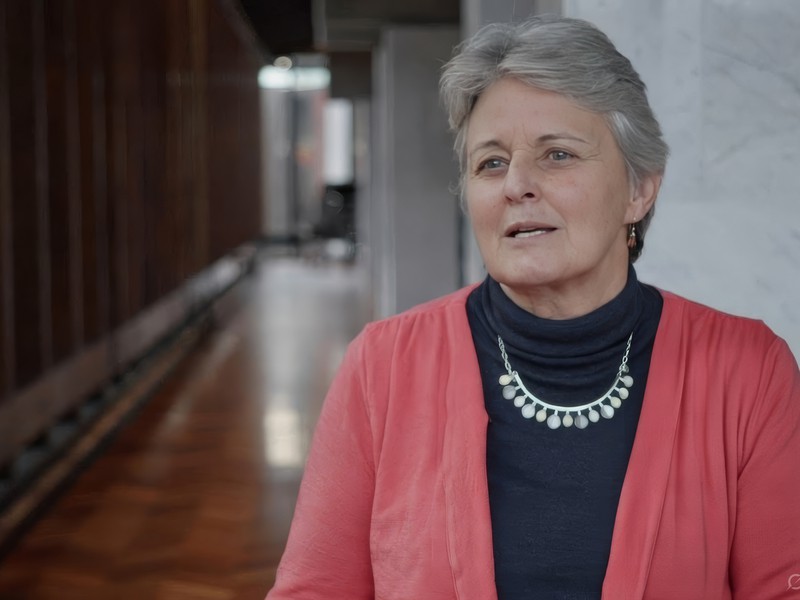
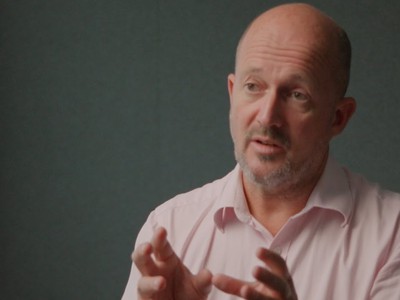
Annie Wilson, General Manager of Kāinga Maha, identifies three key enablers that made the project a success.
Policy certainty: Clear local authority mandates translated into coherent housing strategies allow developers to assess viability at the land acquisition stage.
Development contribution relief: Christchurch City Council's discount on development contributions for social housing was instrumental in making the project financially viable.
Local context understanding: Housing typologies must respond to actual local needs and affordability constraints rather than generic market assumptions.
Scalability and replication
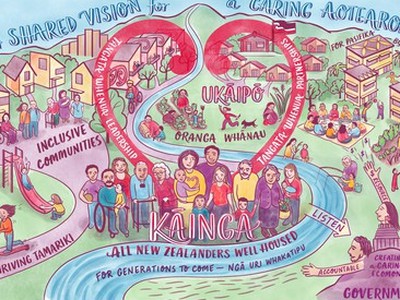
From a community housing perspective, this model demonstrates that mixed-tenure developments should become standard practice across New Zealand. Whether building 10 or 1,000 homes, every development can incorporate affordable housing provision. The model works because it treats housing as essential community infrastructure rather than merely responding to market demand.
Karamū proves that with appropriate policy frameworks, development contribution incentives, and commitment to social outcomes, the private sector can deliver truly mixed communities that serve diverse housing needs while maintaining commercial viability.