Markdown Version
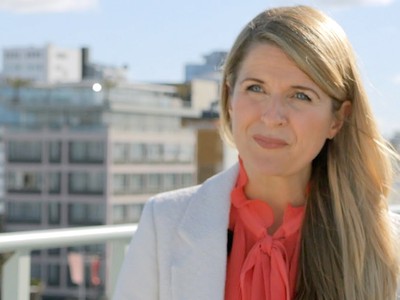
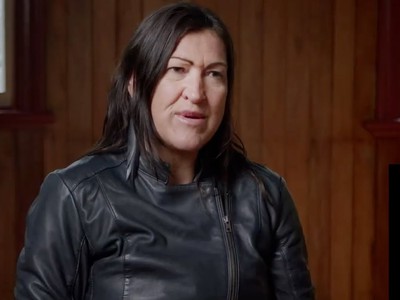
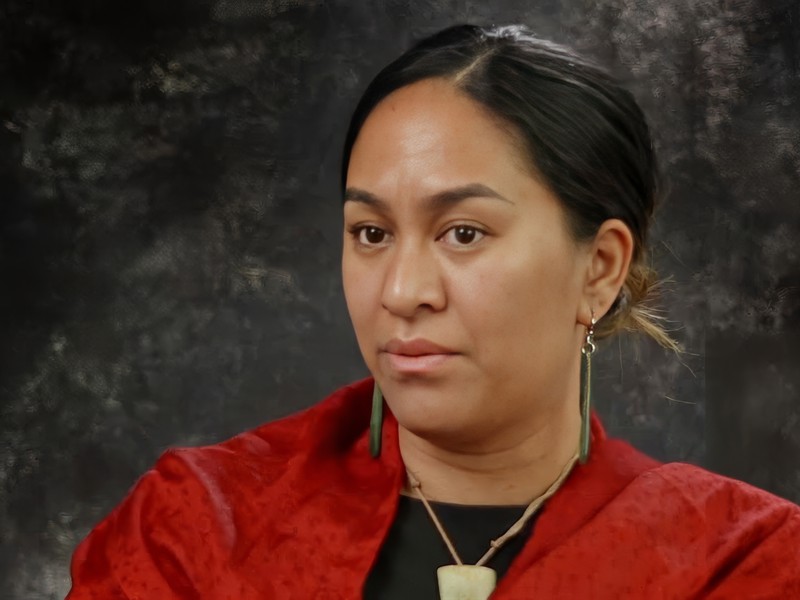
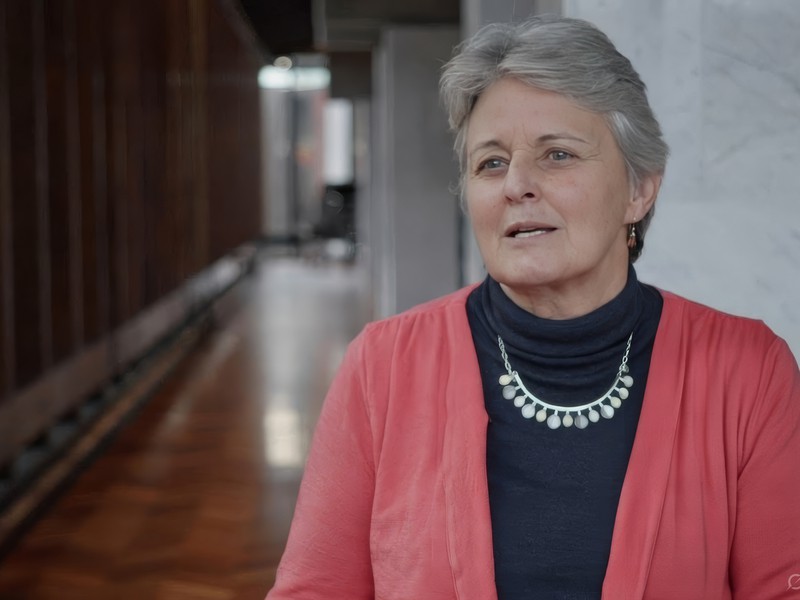
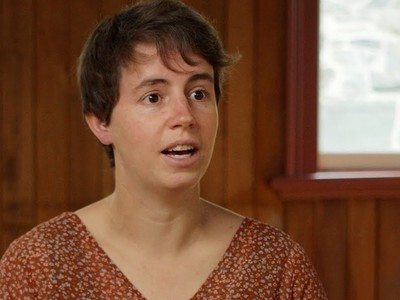
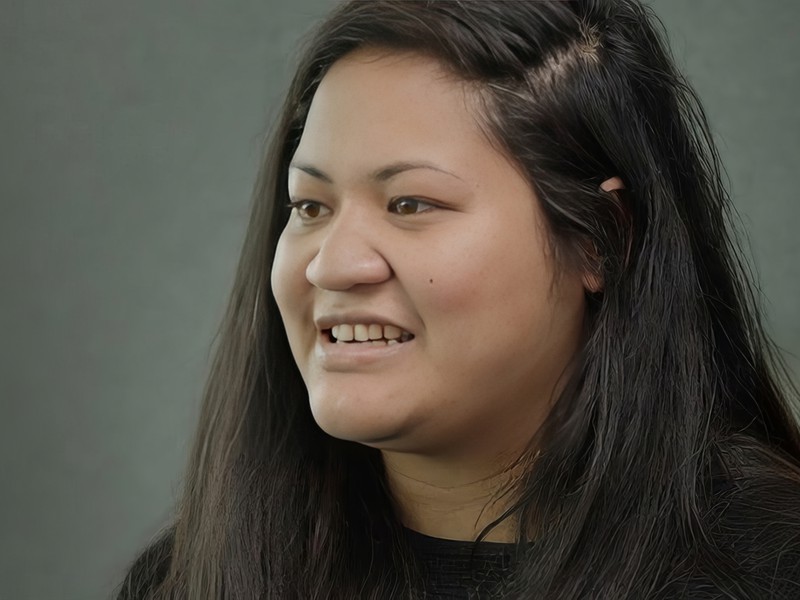
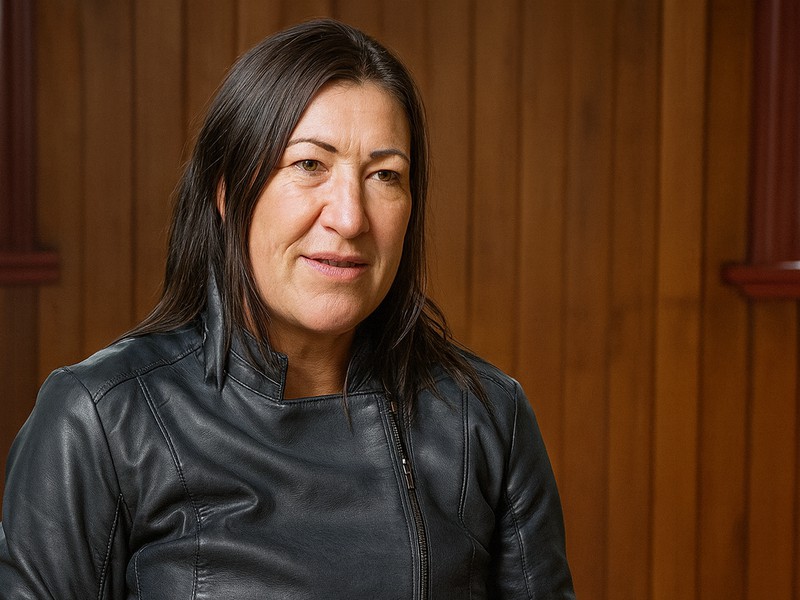
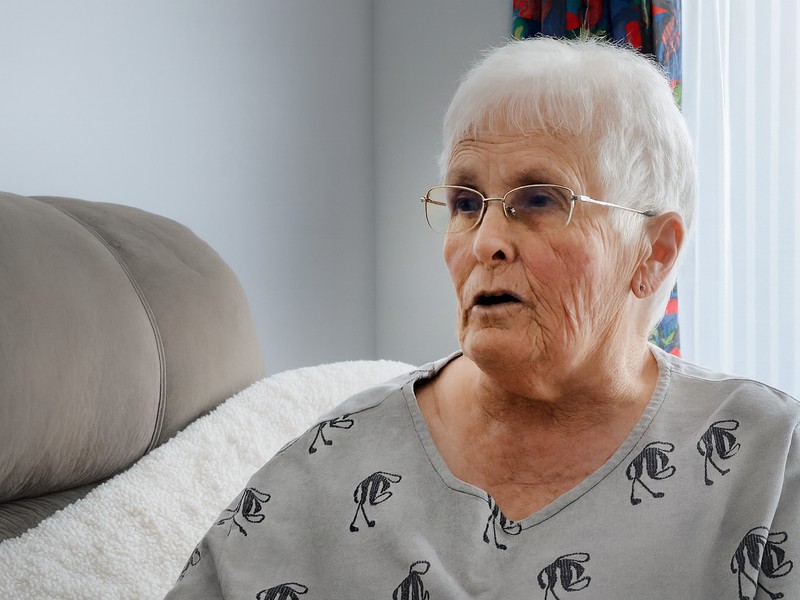
Talavao Ngata's journey from libraries to local council policy led her exactly where she needed to be: supporting Pacific communities whilst navigating New Zealand's housing crisis.
Born in Tāmaki to parents who migrated in the late 1970s, Tala is the middle child of five with Tongan and Samoan heritage. Now Pacific Policy Lead at Community Housing Aotearoa, she brings degrees in Social Sciences, Conflict Resolution, and Human Rights.
Her Auckland Council experience taught her that local policy, often dismissed as 'rates, rubbish and rats', impacts the dailiness of people's lives profoundly.
She notes "Policy can be seen as a bunch of words, but there's meaning behind it. I was drawn to how it impacts the dailiness of people's lives."
Working in Auckland, the world's largest Pacific city, Tala observes concerning changes. "The cracks in what used to be our safety net are starting to appear." Economic pressures affect institutions Pacific people have nurtured since migration: families, churches, community networks. Her question is fundamental: "Why do Pacific people need to be so resilient in the face of these challenges?"
Churches represent particular potential, though conversations remain complex. "In principle, they'll say of course we want social affordable housing, but they probably don't understand the workings within the church." Fear of loss creates hesitation.
She explains: "There's so much potential with churches. It's not given enough attention how we could strengthen that cultural capital."
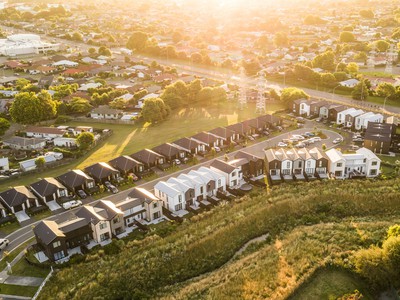
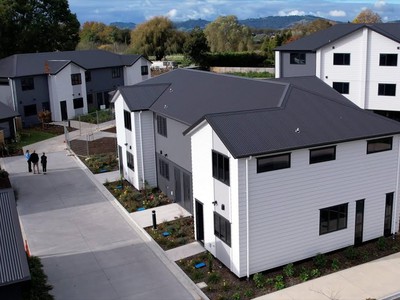
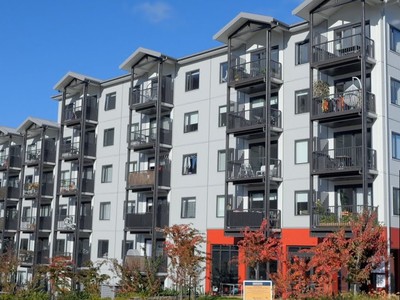
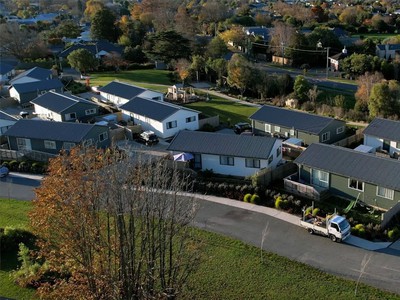
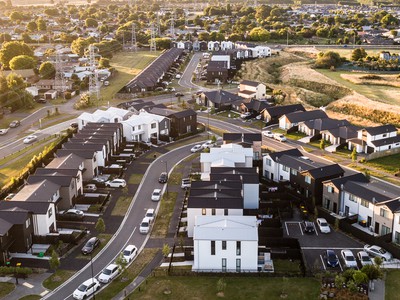
Tala challenges assumptions about Pacific housing. Growing up, she noticed differences: "The garage wasn't seen as a place for the car. It was seen as a space for spirituality, or having a sleep, or gathering." But generational change matters. First-generation migrants may envision multi-generational living whilst their children, raised in Aotearoa, might prefer vertical living or long-term rental. There's no one way to design a house for a Pacific family. She notes: "There's not just one way of looking at what a Pacific home looks like."
Asked about her magic policy wand, Tala identifies Fale Mo Aiga, the housing strategy from the Ministry of Pacific Peoples. "A good idea in principle, a good strategic vision." But vision without resources achieves little. "I would want targeted funding, mainly around capability building, especially with churches."
She sees government and community pointing fingers at each other. "Pacific people, we think very broadly about things, but we could be more specific about what we want."
She adds: "Sometimes we're pointing at government to do it, and they're asking us how. We could be more specific."
Expecting her first child in December, Tala sees a stable home and closeness to family as key factors, not just for Pacific people, but for all New Zealanders.
Community Housing Aotearoa's role, as she sees it, is "supporting that groundwork, to be ready for when the time comes." It's patient work, building cultural capital alongside housing solutions, exactly where policy meets the dailiness of people's lives.