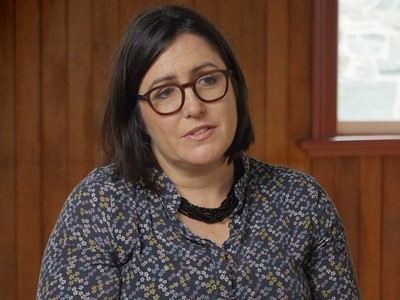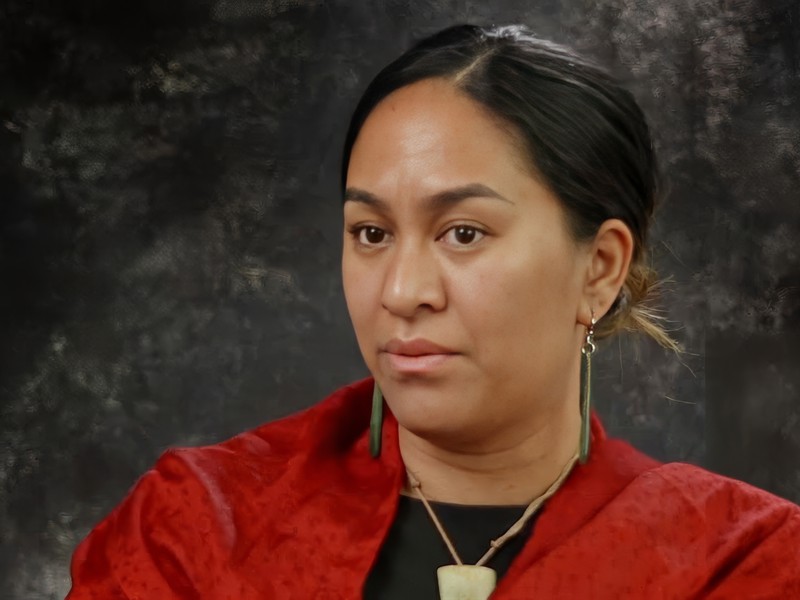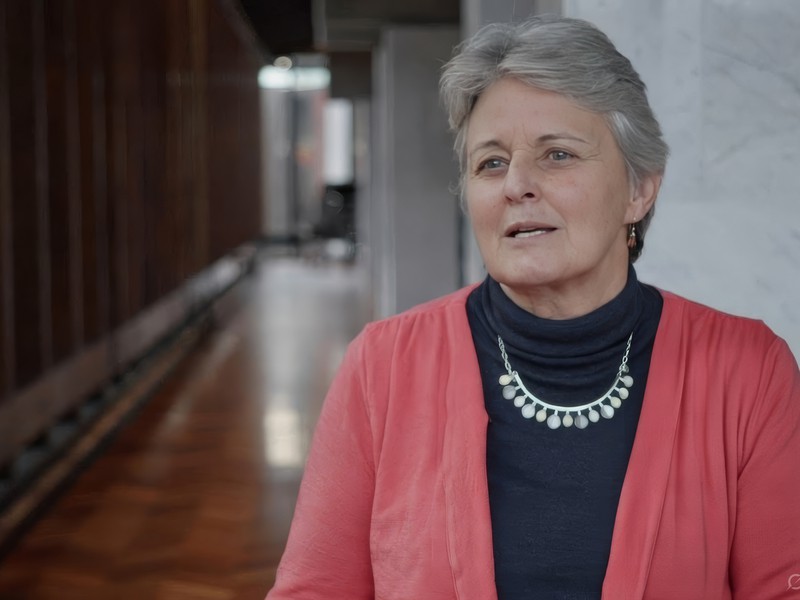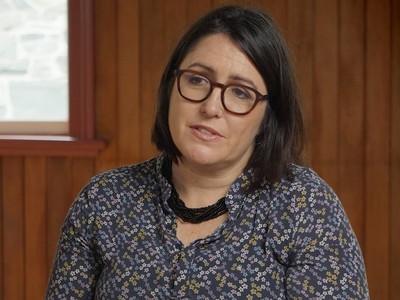
Anita Vanstone: A planner's perspective
How Queenstown uses planning tools to turn development profits into perpetual affordable housing.
In New Zealand's most expensive housing market, Anita Vanstone brings a practical perspective on how local government can intervene when markets fail communities.
As Strategic Growth Manager at Queenstown Lakes District Council working on housing policy, she's helped pioneer an approach where 93% of the Community Housing Trust's capital funding comes from land or financial contributions captured through planning mechanisms.
The model is straightforward but powerful. When rural land is rezoned for development, creating enormous value uplift, council captures a portion for perpetual affordable housing. "Housing is a critical piece of infrastructure to our community," Anita explains, comparing it to requirements for parks, pipes, and roads. "A portion of that should be kept for our community in perpetual affordability."
The Tewa Banks development exemplifies this collaboration. Council provided land for one dollar; the trust committed to perpetual affordability; government provided loans and support. The result: 68 homes in Queenstown's most expensive area, including dedicated elderly housing, allowing people who've invested their lives there to remain.
Without such interventions, the numbers are sobering. Queenstown Lakes is 7,000 houses short in the affordable market, meaning one in three new homes should be affordable, yet the market isn't delivering. "If we leave it to the market alone, we will never get the housing demand that's required for our community," Anita states plainly.
The consequences of inaction are already visible. Her own antenatal class has largely dispersed, young families forced to leave when childcare costs collide with housing stress. Schools struggle to recruit teachers. Daycare centres can't retain staff. The social fabric tears as people lose their support networks.
Drawing on her experience working in London 16 years ago, where 50% affordable housing requirements were standard, Anita advocates for national legislation to de-risk and standardise inclusionary approaches. "Having national legislation and clarity would make it so much easier," she says, noting that Queenstown's policy team fields constant requests from councils nationwide facing similar pressures. She challenges the "I'm alright Jack" mentality among asset owners, asking them to reimagine housing as community infrastructure rather than private wealth generation.
Her vision reframes developers not as victims of taxation but as beneficiaries of community function. The workers housed through inclusionary contributions are "making them coffees, working in restaurants, teaching at their school, working as nurses in hospitals. These are all people that are important to the fabric of our community."
For Anita, Queenstown represents both warning and beacon, a preview of nationwide challenges, but also proof that bold local government action can create lasting change.